Proactive Health in 2026: From Reaction to Early Action

The Economic and Clinical Mandate for Prevention
The rising cost of emergency medical care is one of the greatest threats to the stability of our healthcare economy. This financial pressure is fueled by a traditional model that relies on doctors appointments to catch health issues after they have already progressed. Because the current system only captures a snapshot of a patient's health at a specific moment, dangerous declines often go undetected in the weeks between checkups. A single heart attack admission costs Medicare around $29,500, while a stroke is even more devastating, with an average lifetime cost exceeding $140,000 per person. These are not merely statistics, they are the primary drivers of Medicare debt and family bankruptcy. By preventing these events before they happen, we can save the system billions of dollars.
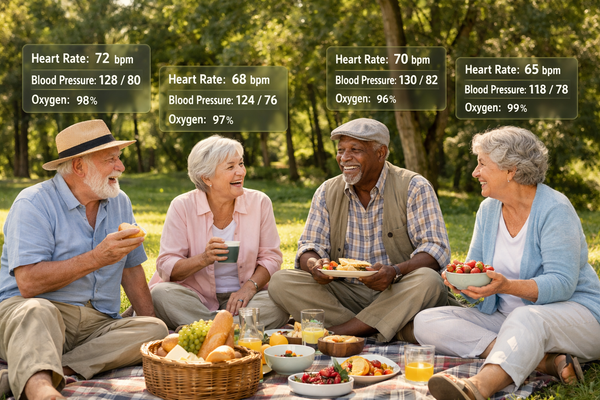
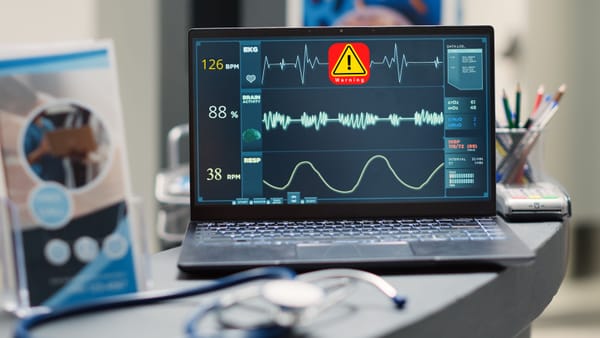
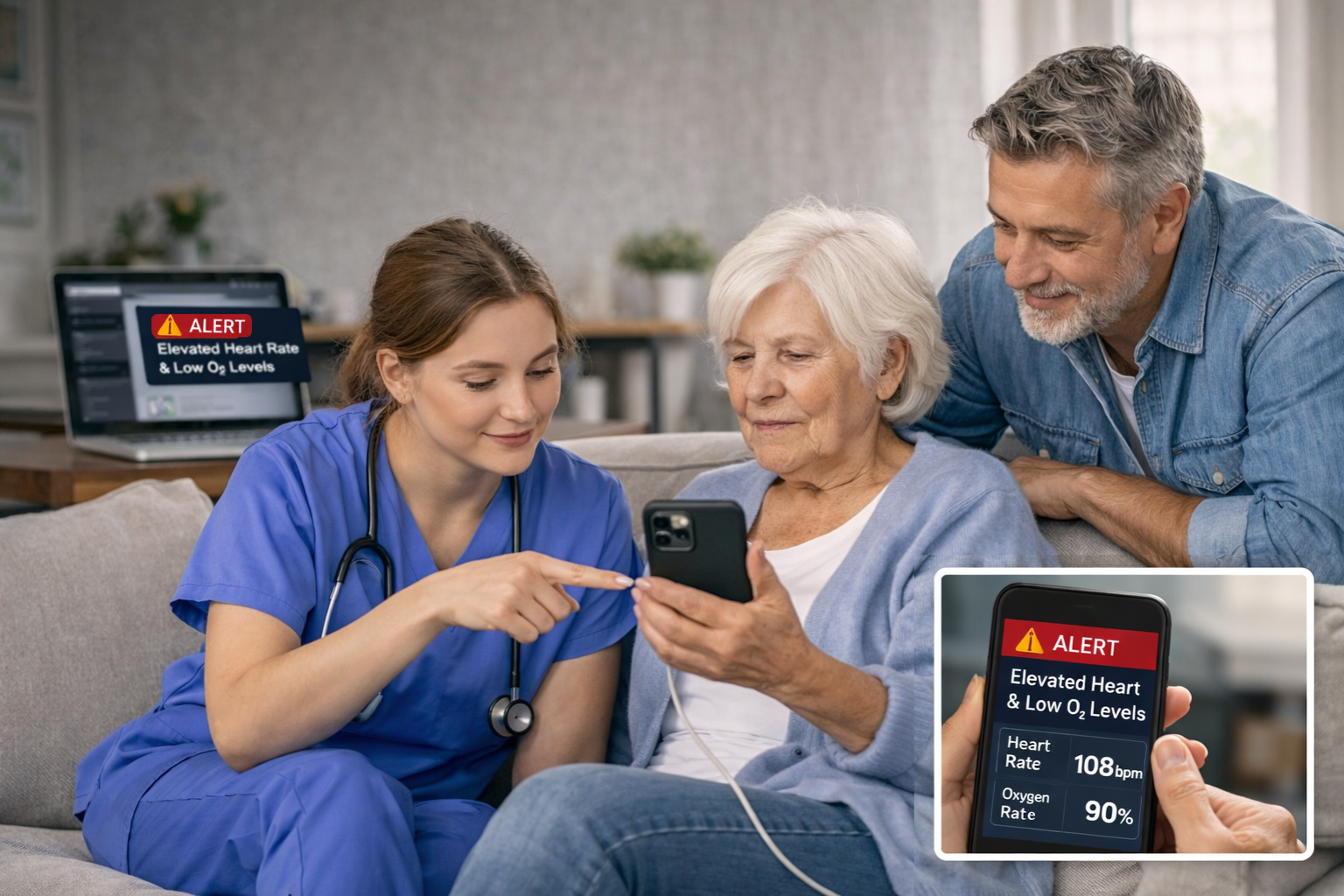
This economic shift is made possible by the ability to intercept heart attacks and strokes before they occur. These events are often preceded by subtle changes in vital signs that Telehealth monitoring system can now identify in real time. For high risk patients, this early monitoring helps to stay out of the hospital and avoid permanent disability. This is not about patients constantly watching their own data. It is about live updates that care teams can utilize before real risk emerges. This approach saves lives and protects the quality of life for those who need protection the most. By preventing these critical events, we protect both the future of the healthcare system and the independence of the seniors we serve.
Moving Beyond Simple Telehealth
In the past, Telehealth was largely defined by remote observation and the passive recording of physiological data. While this model expanded access, it remained fundamentally reactive because information often sat dormant until a medical crisis forced a review. We have since learned that merely viewing a patient on a screen or collecting isolated data points falls short of providing real protection for high-risk seniors. As we move into 2026, the goal is to no longer treat this data as a historical record to be checked after the fact. Instead, we are utilizing continuous data and early warning alerts to identify the subtle changes in health that precede a catastrophic event. This shift turns Telehealth into a proactive safety net that anticipates health rather than just documenting sickness. By prioritizing early intervention, care teams can now act days or weeks before a standard virtual visit would even be scheduled.

Protecting Independence and Quality of Life
For older adults, the primary objective of healthcare is the preservation of functional independence. Strokes and heart attacks are the leading causes of sudden disability, frequently forcing independent seniors into long-term care or total reliance on family support. Early warning systems solve this by identifying physiological instability days before it reaches a clinical crisis. This creates a technological window that provides more time for practical, precautionary steps, such as medication adjustments or home based clinical interventions, helping prevent the life-altering events that often force a move to assisted living. By incorporating predictive proactive monitoring, we can lower the amount of emergency responses and improve the number of independent seniors living in the comfort of their homes.

The Liu Foundation Mission in 2026
The Liu Foundation has one clear mission for 2026. We must ensure that life saving technology reaches the people who need it most. The tools already exist. Lives can be saved today. However, proactive health cannot save anyone if the public does not know it exists. Education is not secondary to innovation. It is the most critical step in turning technology into impact. By accelerating adoption among high risk populations, we can prevent strokes and heart attacks before they occur. We can preserve independence and protect the future of Medicare. The future of healthcare does not begin in a crisis. It begins with the decision to use the tools already in our hands.
👉 Click here to join our community