
What Poor Sleep May Be Telling You About Your Health
Short sleep, long naps, and loud snoring are easy to dismiss. Research suggests they may be early warnings for stroke worth paying attention to.


Short sleep, long naps, and loud snoring are easy to dismiss. Research suggests they may be early warnings for stroke worth paying attention to.

The best treatment is the one you never needed. A stroke happens about once every 40 seconds in the U.S. What doesn't get said enough is that most of them don't have to happen at all. According to the American Heart Association and the CDC,
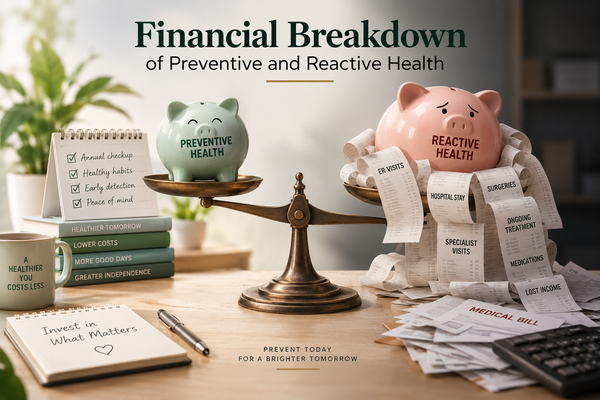
Two Paths, Two Very Different Price Tags Most people think of healthcare costs as unpredictable, something that happens to you, not something shaped by choices made years earlier. The data tells a different story. There are two paths most people end up on: one where a condition is caught early

Where Do I Start If I Want To Be Healthier? If you have ever wanted to take your health more seriously but did not know where to begin, you are not alone. For most people the hardest part is not making a dramatic lifestyle change or overhauling their diet. It
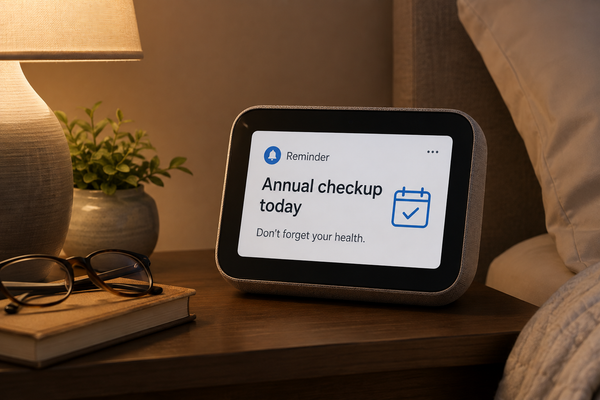
There is one appointment that most doctors agree is worth keeping every single year. It does not require symptoms. It does not require something to feel wrong. It exists specifically to catch what has not made itself known yet. And yet it is the appointment that more Americans skip than
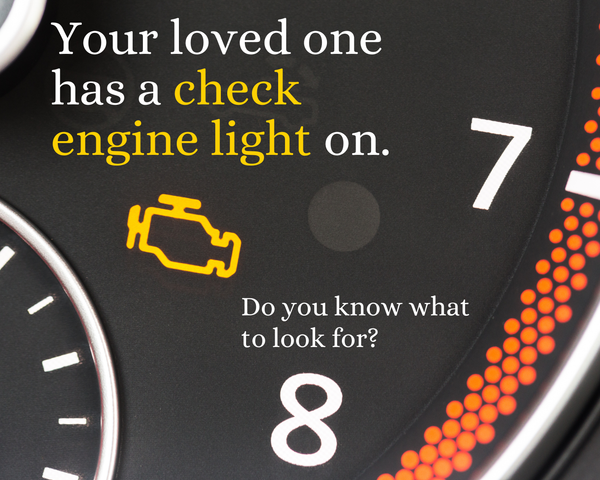
The Changes That Are Easy To Miss Most families expect serious problems to look dramatic. They do not. The first signs that an older adult may need more support are often so small that they barely register. A meal gets skipped. A regular walk quietly stops happening. A room in

The Condition With No Warning Most people assume that if something serious were happening inside their body they would feel it. A sign. A signal. Something that would prompt them to act. High blood pressure does not work that way. It builds silently, over months and years, without pain, without

Something Was Already Happening Most people imagine a health crisis arriving without warning. One moment everything is fine and the next it is not. But research is telling a different story. In the majority of serious cardiovascular events, the body had already been sending signals. Subtle ones. Easy to dismiss.

When most people think about a health crisis, they think about the diagnosis, the treatment, and the recovery. But for the people living through it and the families beside them, something else is often at stake. Something harder to measure and far more personal. A health crisis does not only

The Design Behind the Default Modern healthcare was not built around keeping people well. It was built around treating people who are already sick. From hospital funding to insurance reimbursements to Medicare structure, nearly every part of the system is designed to respond after something goes wrong. This is not

The Hidden Window Before Crisis Many of the most serious health events do not begin suddenly. Long before a hospitalization, stroke, or heart attack occurs, subtle changes are often developing quietlwrry beneath the surface. Yet much of modern healthcare still depends on symptoms becoming noticeable before action is taken. This

Why Distance Makes Health Harder to Track For millions of American families, caring for an aging parent from across town or across the country has become one of the most quietly stressful responsibilities of adult life. Phone calls reassure but they do not tell the full story. A parent may