Reimagining Health Through AI Proactive Monitoring

A Healthcare System Built on Reaction
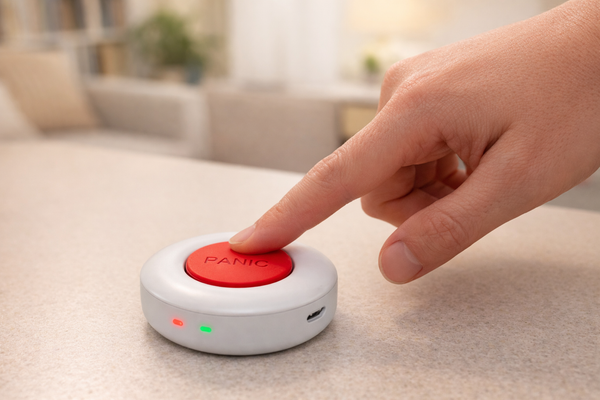
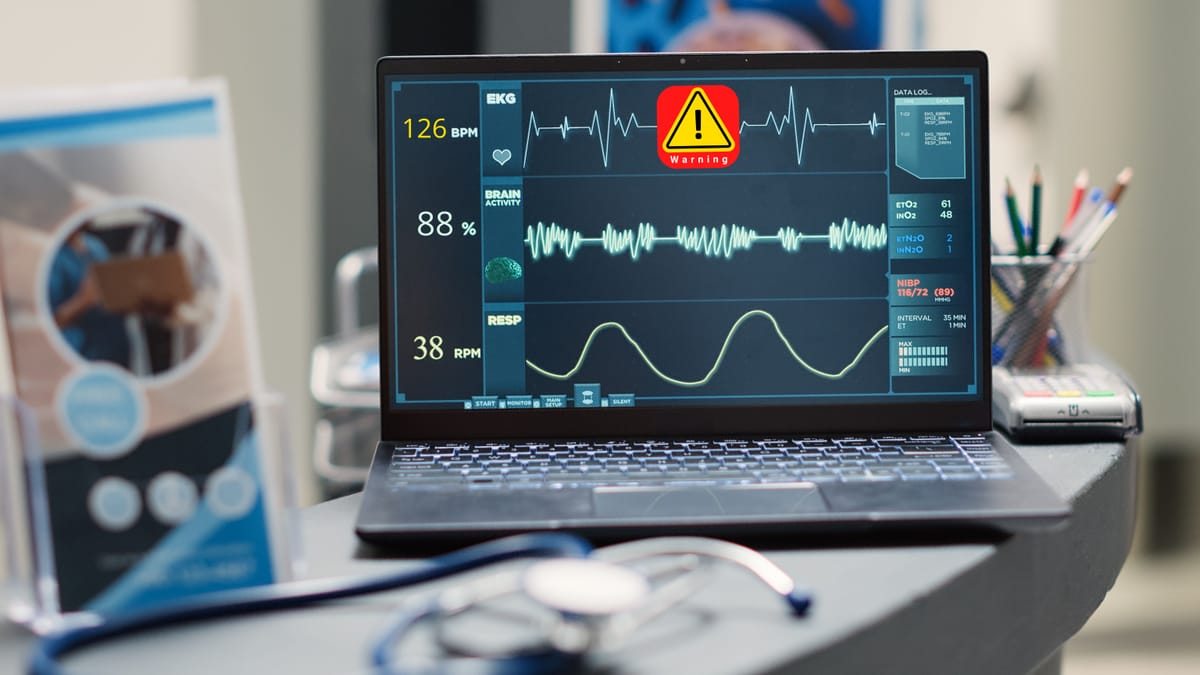
For decades, modern healthcare has been built around reaction. Care begins when symptoms become impossible to ignore, when a patient feels pain, collapses, or arrives at an emergency room. While this model has saved countless lives, it is also responsible for some of the most devastating outcomes in medicine, heart attacks and strokes that arrive without warning, permanently altering a person’s independence and quality of life. As we move into 2026, technology now allows us to challenge this model by shifting healthcare toward prevention instead of reaction.
The Rise of Proactive Monitoring Technology
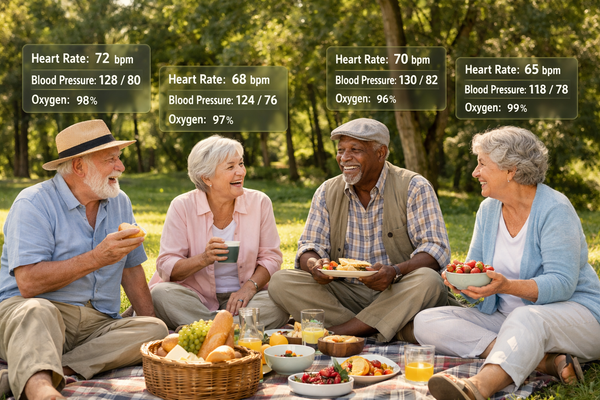
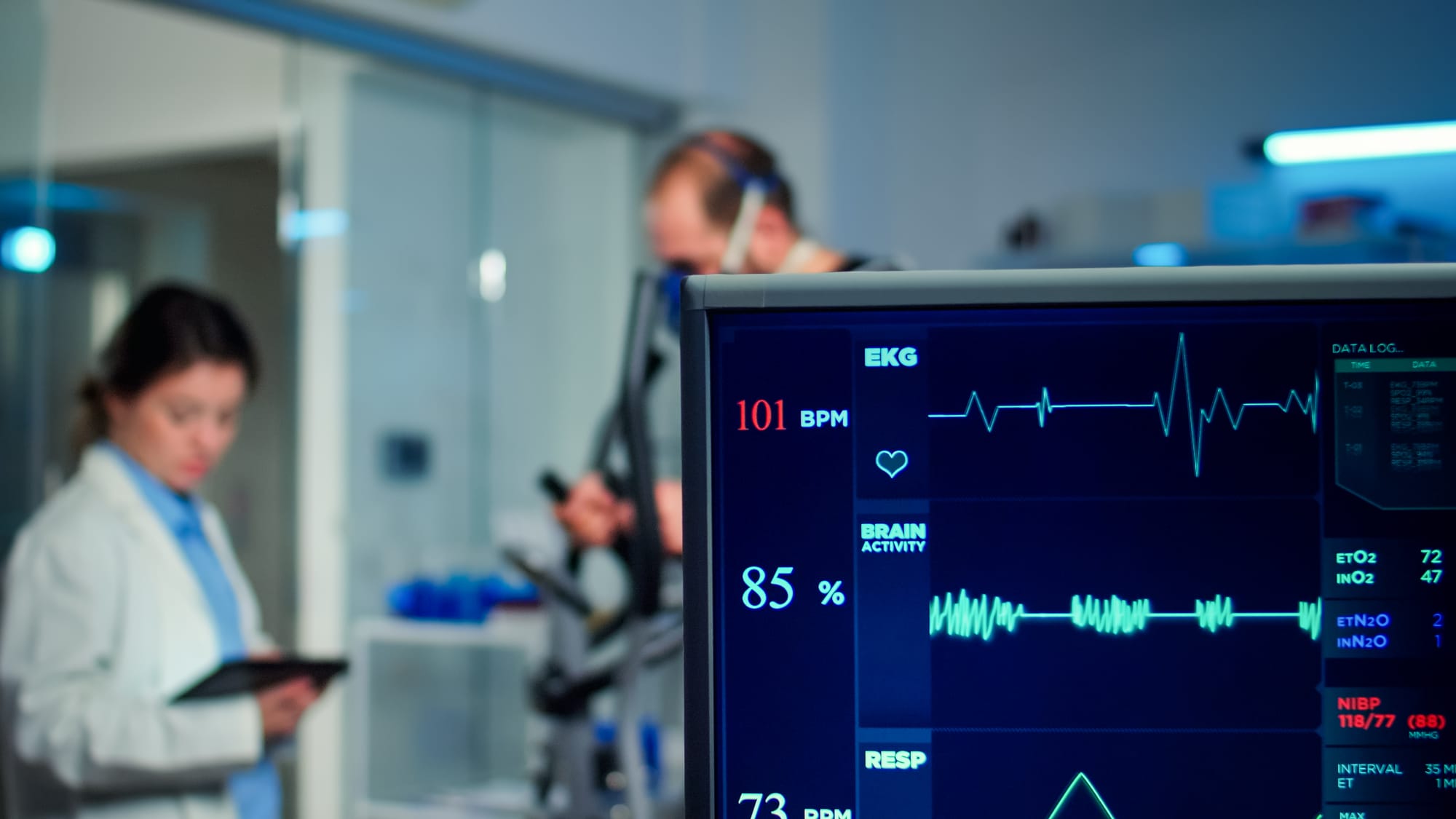
Today’s proactive monitoring technologies, including wearable ECG patches, are designed to continuously record vital physiological data rather than capture isolated snapshots during clinical visits. These devices quietly collect heart rhythms and vital signs in real time, transmitting the information wirelessly with low latency to secure cloud systems. Unlike traditional monitoring tools, this data does not sit idle. It is organized, stored, and made readily available for medical interpretation, creating a living picture of a person’s cardiovascular health as it evolves day by day.
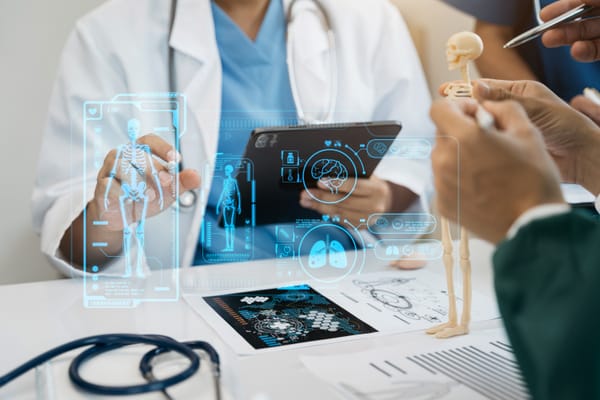
What makes this shift from continuous data collection to meaningful early action truly transformative is the integration of artificial intelligence. AI pattern recognition systems can analyze continuous streams of physiological data and detect subtle irregularities that humans alone may miss. These patterns often emerge days or even weeks before a serious downstream event such as a heart attack or stroke. When identified early, these changes can trigger alerts that prompt timely medical evaluation, allowing individuals and care teams to take preventive action long before a crisis occurs.
Preventing Downstream Events
Heart attacks and strokes are among the leading causes of sudden loss of independence, often forcing people into long-term care or permanent reliance on others. Proactive monitoring supported by AI early alarm systems helps preserve autonomy by reducing the likelihood of these life-altering events. When health risks are addressed early, people are more likely to remain independent, mobile, and engaged in their daily lives, rather than recovering from catastrophic setbacks.
Reducing Avoidable Hospital Admissions
On a broader scale, preventive monitoring also plays a critical role in reducing long-term healthcare costs. Chronic diseases and emergency interventions place enormous strain on Medicare and public health systems. By preventing downstream events instead of reacting to them, proactive technologies help reduce hospital admissions, long-term rehabilitation, and ongoing disability care. While cost savings are not the primary motivation, they are an inevitable benefit of keeping people healthier for longer.
A Practical Path Forward
The future of healthcare does not begin in the emergency room. It begins with awareness, education, and the decision to use preventive tools that already exist. AI-driven proactive monitoring represents a shift in mindset, from waiting for something to go wrong to actively protecting health before it does. Prevention instead of reaction is no longer just an ideal. It is a practical path forward.

The Liu Foundation Mission in 2026
The Liu Foundation has one clear mission for 2026. We must ensure that life saving technology reaches the people who need it most. The tools already exist. Lives can be saved today. However, proactive health cannot save anyone if the public does not know it exists. Education is not secondary to innovation. It is the most critical step in turning technology into impact. By accelerating adoption among high risk populations, we can prevent strokes and heart attacks before they occur. We can preserve independence and protect the future of Medicare. The future of healthcare does not begin in a crisis. It begins with the decision to use the tools already in our hands.
👉 Click here to join our community