Why Are New Habits Hard to Stick
44% of people in the United States typically make New Year resolutions to improve their physical or mental health, to eat better, or to spend less time on TikTok.

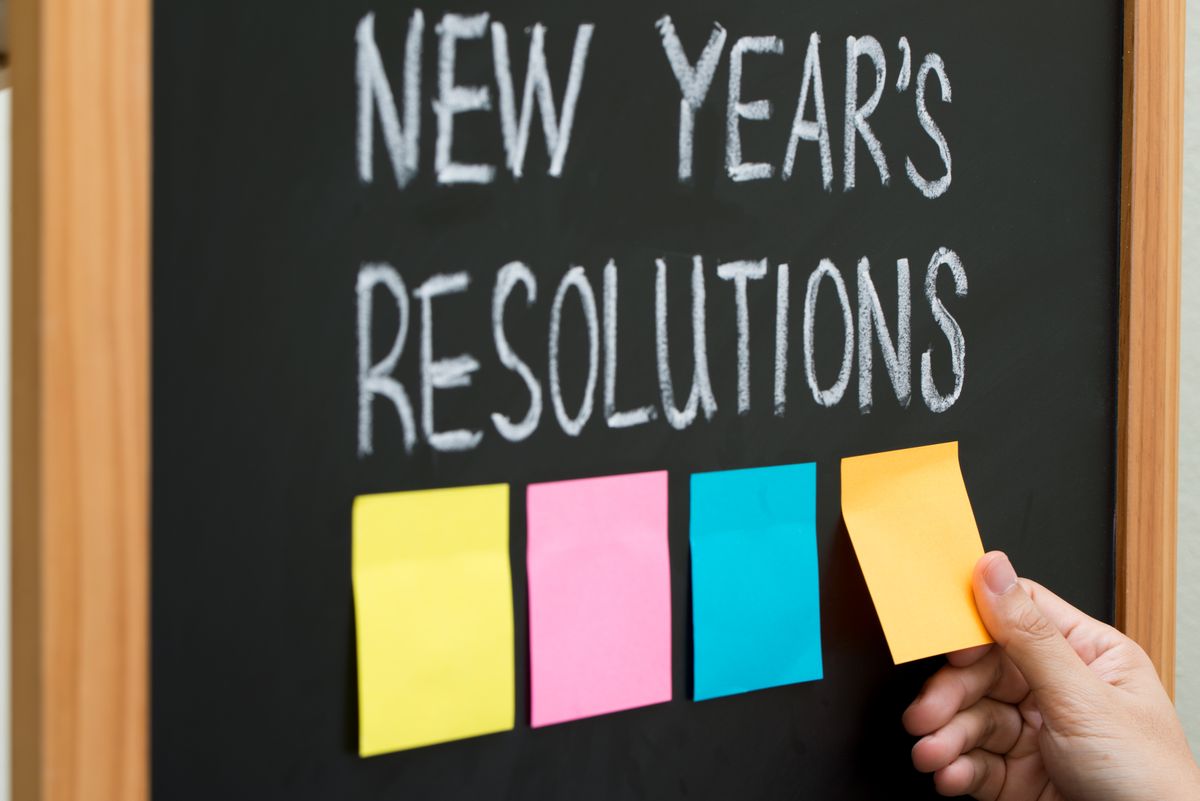
44% of people in the United States typically make New Year resolutions to improve their physical or mental health, to eat better, or to spend less time on TikTok. We are inspired by the fresh start of a new year to be better, smarter, fitter, and faster versions of ourselves. Although we have expectations for ourselves, nearly half of us fail at completing or carrying out the changes.
Old habits are comfortable and familiar, hence making it harder for new habits to stick. A habit can be hard to change because of how regularly you practice it. Rewarding yourself for positive behavior is a common practice. You can also reward yourself every time you take action on a beneficial habit. For example, meditation and healthy eating don’t have immediately obvious rewards but you will notice how great you feel with time.
If you are unable to make a new habit stick, you should try the habit loop. First, start by saying your goal out loud. Then, start off with small changes and gradually increase your pace, forgetting the all-or-nothing mentality. You want to create a plan that is paced with your needs. Finally, you can use the Lively app to help you track your existing habits.

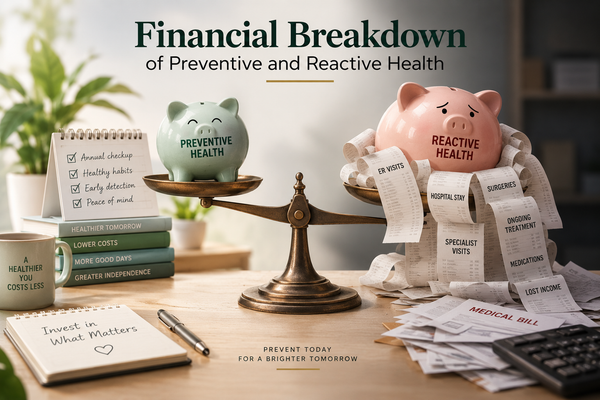
Reflect on how unhealthy habits make you feel bad and how healthy habits can make you feel good. You should find the motivation for these new habits and remember them! Write down how you are feeling with your new habits and reread what you’ve written a month down the road. Changing your unhealthy lifestyle habits for healthier ones can prevent chronic health conditions like heart disease, stroke, high blood pressure, and many more. Taking care of your health allows you to feel better about yourself and live longer!
The Liu Foundation offers philanthropic app and video series promoting evidence-based lifestyle habits to prevent chronic diseases. Live It Up integrated Harvard, Stanford, and CDC’s Public Health findings into an easy-to-use behavior conditioning app and series of lifestyle motivation videos to prevent chronic diseases.
The app and videos cover physical, mental, social, financial, and medical health aspects with 10 healthy lifestyle habits. GoLively enables corporate social responsibility to lower the annual $4 trillion spent on preventable chronic diseases in the United States. Healthy habits can lead to improved employee health, saving healthcare cost, increasing productivity, and morale. Download the Lively Habits app to help you keep track of your 10 healthy lifestyle habits. Go Lively!

Living It Up Anywhere
The idea of living your best life can be done anywhere, at any time, and all it really takes is a mindset shift. Take it one core lifestyle habit at a time, whether that is eating healthy and less, daily exercise, quitting bad habits, getting a routine checkup, or being positive. Take a chance today to Live It Up!