The Science Behind GoLively’s 10 Lifestyle Habits
The Liu Charitable Foundation use integrated evidence-based research from Harvard, Stanford, and physicians' recommendation into Lively's 10 Lifestyle Habits to educate, motivate, coach, and condition personal behavior change to benefit public health.


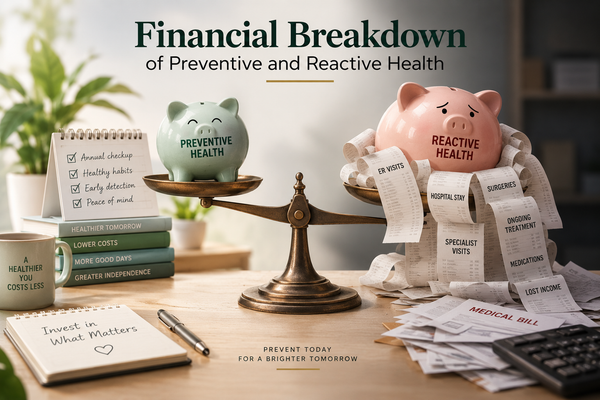
The U.S. spends $4 trillion on healthcare annually and most go to chronic disease care that is preventable. Harvard University and Stanford University use evidence-based research to prove that following healthy habits can prevent chronic disease and improve quality of life. The Liu Charitable Foundation thus integrated evidence-based research from Harvard, Stanford, and physicians' recommendation into Lively's 10 Lifestyle Habits to educate, motivate, coach, and condition personal behavior change to benefit public health.

Harvard School of Public Health's 5 Healthy Habits
Harvard School of Public Health discovered that practicing five healthy behaviors, including, exercising regularly, healthy diet, maintaining healthy body weight, not drinking too much alcohol, and not smoking, can help you live a longer life free of Type 2 diabetes, cardiovascular disease, and cancer. According to the research that documented over 100,000 participants, individuals at the age of 50 who exercised 4 or 5 healthy habits averaged 32.8 more years free from chronic disease than people who did not practice any health habits. People who did not follow any of the healthy habits lived only 23.6 years free of chronic disease on average. You get more years free of chronic disease and better quality of life by practicing healthy habits. The study also indicated that smokers and obese individuals had the lowest disease-free life expectancy. Harvard study concluded that following the 5 key healthy habits can help you live a life free of chronic diseases. Lively thus integrated the 5 key healthy habits to educate, motivate, coach, and condition personal behavior change to benefit public health.

Stanford Center on Longevity's Research
Stanford Center on Longevity discovered that sleep, stress management, social engagement, and financial security have a significant impact on your quality of life. Sleep deprivation is one of the most prevalent poor lifestyle habits that leads to other poor lifestyle habits and causes chronic diseases such as depression and obesity. Chronic stress contributes to health problems including heart disease, stroke, obesity, depression, and cancer. Stress can also indirectly worsen disease by influencing lifestyle behaviors such as sleep, physical activity, eating habits, etc. Lack of social engagement leads to twice the death rate compared to obese individuals. With longer life expectancies, there are more financial opportunities but also more risks. Financial security is essential to living a better life and preventing chronic disease. Stanford concluded that getting quality sleep, practicing stress management, having a healthy social engagement, and planning for financial security can prevent chronic disease, improve quality of life, and extend longevity. Lively thus integrated the 4 Stanford healthy habits to educate, motivate, coach, and condition personal behavior change to benefit public health.
Physicians' Recommendation
According to the Liu Charitable Foundation's physician advisors, Dr. C.P. Chang and Dr. Xin Wang, getting annual medical checkups is critical to prevent chronic disease and maintain good health. Physicians recommend getting a doctor's checkup once a year for most people and semi-annually for seniors.
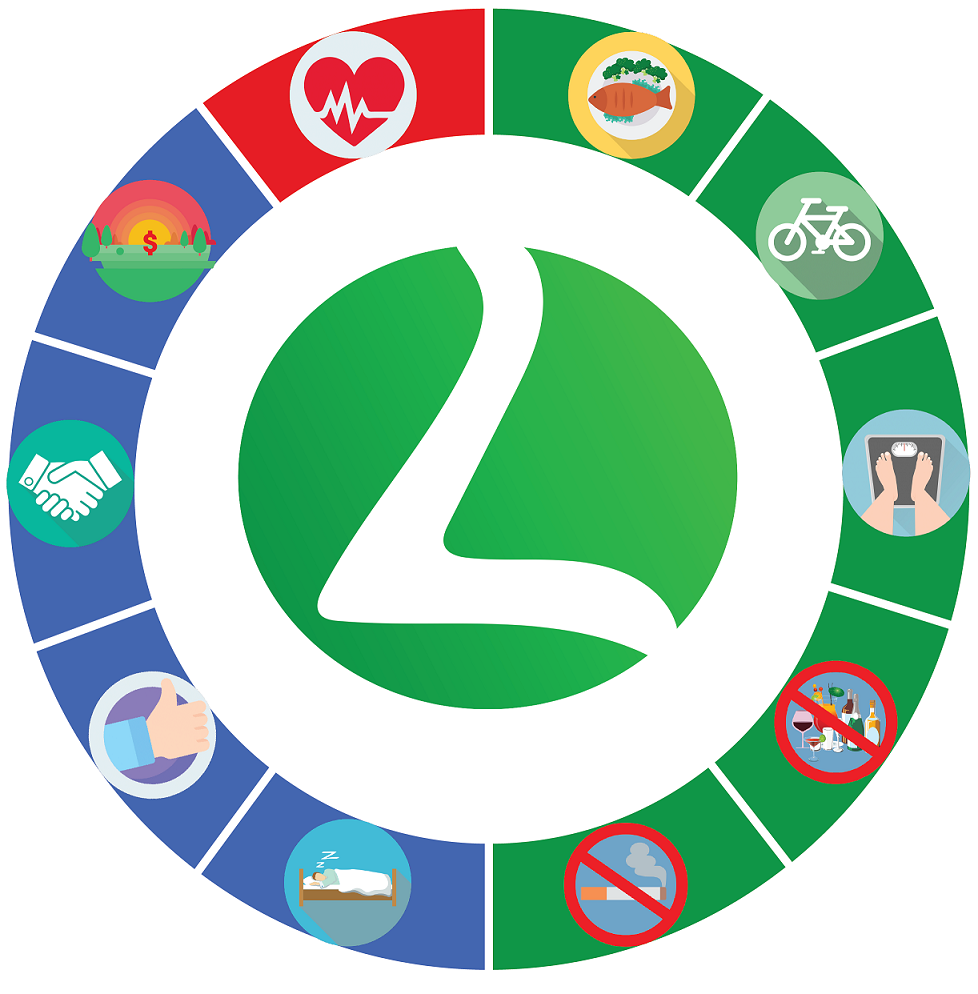
Lively's 10 Lifestyle Habits
Harvard T.H. Chan School of Public Health
- Healthy Diet: A healthy diet starts with vegetables, white meat, and healthy carbs. Eating a well nutritious diet can help maintain your weight, improve your sleep quality, and lower your blood pressure.
- Regular Exercise: Daily Exercise is any movement that makes you move around, get your heart pumping, and sweat. Exercising daily can improve your strength and keep your blood flowing smoothly. Without exercise, it can increase your health risks by developing heart disease, strokes, and obesity.
- Healthy Body Weight: Weight control is to help you manage and maintain a healthy body weight. Reaching a healthy weight can prevent weight-related chronic conditions like heart diseases, diabetes, enhance sleep, and improve your overall health.
- Not Drinking Too Much Alcohol: Excessive alcohol consumption is not worth the short and long damages it creates to your health. For start it lead to problems such as liver disease, pancreatitis, cancer, brain damage, malnourishment, and osteoporosis. In addition to these damages certain forms of alcohol raise body fat and increase the risk of stroke.
- Not Smoking: Smoking causes a variety of chronic diseases in the body. To name a few, smoking raises the chances of cancer, heart disease, lung disease, diabetes, and chronic obstructive pulmonary disease (COPD). Smoking can also cause emphysema, chronic bronchitis, an increased risk of infection, and rheumatoid arthritis.
Stanford Center on Longevity
- Sleep: Quality Sleep lets your body rest and recharge for another full day. Lack of sleep can lead to diabetes, high blood pressure, and heart disease. Getting the recommended amount of sleep can maintain your weight, lower your risk for serious health problems, and improve your mood.
- Stress Management: Stress is necessary for the body to bring alertness to a high-priority task. However, too much stress can lead to chronic disease. Taking occasional breaks from work and trying meditation techniques whenever you’re stressed. Lower stress can lead to better sleep, more control over your weight, less muscle tension, and an overall positive mood.
- Social Engagement: Maintaining a good social life helps you build healthier relationships with others. Having healthy relationships enables you to create boundaries that encourage communication, trust, and healthy conflict.
- Financial Security: Having a financial plan helps you decide the short-term and long-term financial goals. Fear and stress from money problems can damage your self-esteem, make you feel flawed, and fill you with a sense of despair. By creating a financial plan, you can prepare for emergencies, achieve financial security and get early retirement.
Physicican Recommendation - Dr. C.P. Chang, Dr. Xin Wang
- Regular Checkup: Regular health checkups and blood tests can prevent you from getting sick and diagnose disease early on. It is important to have regularly scheduled health checkups with your family doctor to review your medical history and to obtain any necessary screenings.
Put an End to Chronic Diseases
With evidence-based research from Harvard, Stanford, and physicians' recommendations, Lively's 10 Lifestyle Habits educate, motivate, coach and condition personal behavior change to benefit public health. Become a disease prevention volunteer and put an end to chronic diseases. Sign Up Today!
Source:
 Amy Roeder Harvard Chan School Communications DateJanuary 9, 2020January 23, 2020