Why Healthcare Needs to Shift from Reactive to Proactive


The Limits of Reactive Care
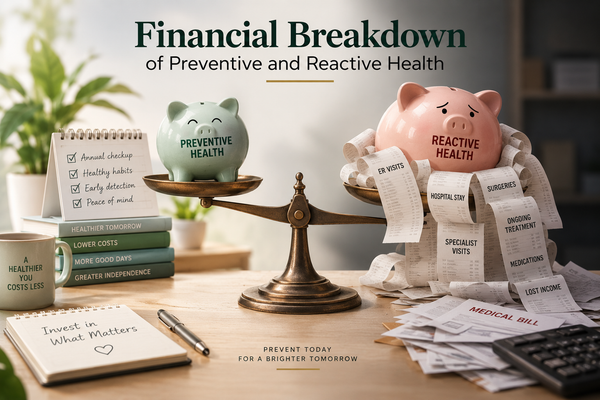
Most healthcare today is built around response. We wait for symptoms to appear, for discomfort to become noticeable, or for an event to happen before taking action. While this approach has helped treat countless conditions, it often means we are stepping in later than we could. By the time something feels urgent, changes have usually been developing quietly in the background.
A Shift Toward Early Awareness
Shifting toward a more proactive approach means paying attention earlier, before issues escalate. It is not about creating fear or over-monitoring. It is about awareness. Small patterns, subtle changes, and ongoing insights can provide a clearer picture of what is happening over time. When families have access to this kind of awareness, they are better positioned to make informed decisions without waiting for a crisis.

Supporting Independence Through Proactive Care
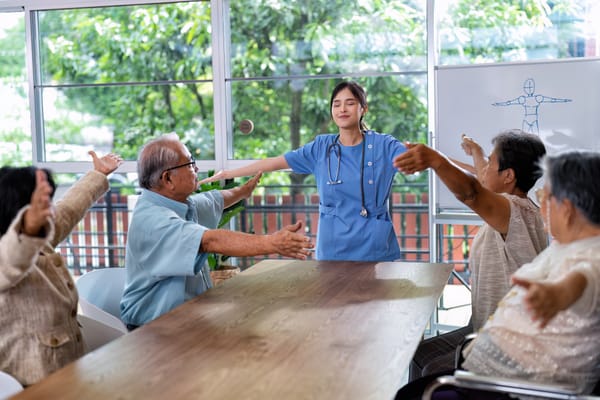
This shift is especially important for seniors and individuals with ongoing health concerns who want to maintain their independence. Proactive care supports daily life rather than interrupting it. It allows people to stay in their homes, continue their routines, and feel confident that their well-being is being observed in a supportive, non-intrusive way.

A More Reassuring Future of Care
Healthcare does not have to begin when something goes wrong. By moving from reactive to proactive, we can create a model that prioritizes early awareness, steady support, and peace of mind for both individuals and the people who care about them.

Quick Poll: Tell Us What You Think
We want to help families feel safer and more connected. Your input helps guide what comes next. Please share your thoughts in the link below.
👉 Take the short poll here: https://forms.gle/XyHx1goExVimCBjP9

The Liu Foundation Mission in 2026
The Liu Foundation has one clear mission for 2026. We must ensure that life saving technology reaches the people who need it most. The tools already exist and lives can be protected today. However, proactive health cannot save anyone if the public does not know it exists. Education is not secondary to innovation. It is the most critical step in turning technology into impact. By accelerating adoption among high risk populations, we can prevent strokes and heart attacks before they occur. We can preserve independence and protect the future of Medicare. The future of healthcare does not begin in a crisis. It begins with the decision to use the tools already in our hands.