Nutrition For Your Brain
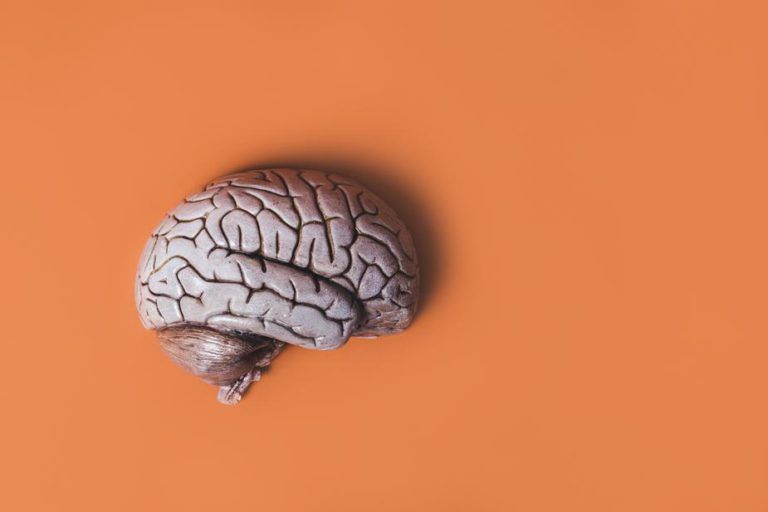
March is National Nutrition Month, so we’re breaking down nutrition and how it applies to the various aspects of holistic health. This week we are going over cognitive health and how good food impacts your brainpower. Nutrition for your brain is not only delicious but also protects your mind from cognitive disease processes like Alzheimer’s. Additional benefits include aging prevention and improved memory – and who wouldn’t want a young and nimble mind? Turns out, there are some healthy diets (that have a host of peripheral benefits, by the way) and good brain foods that can keep your mind in tip-top shape now and into the future.
The MIND Diet – Nutrition For Your Brain
The aptly named MIND diet was developed to support the brain (clearly), by combining the tried-and-true DASH and Mediterranean diets. Both of these eating patterns have consistently garnered promising cognitive results, so let’s look at each individually.
The DASH Diet
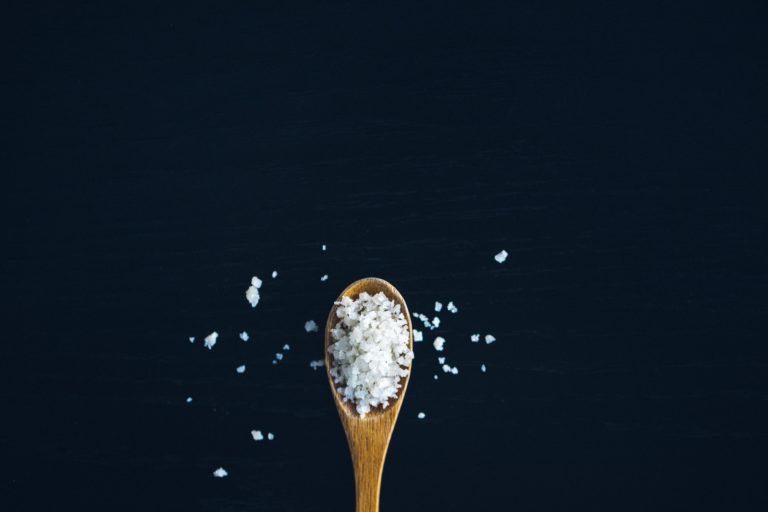
The Dash diet stands for Dietary Approaches to Stop Hypertension. It is a way of eating that was developed to treat hypertension (high blood pressure), as an alternative to traditional medication. The main target of the DASH diet? Sodium. By lowering salt intake and focusing on eating whole foods, many have seen decreased blood pressure in as little as two weeks! Remember to keep track of your blood pressure in the Lively Habits App and track your progress if you try the DASH, MIND, or Mediterranean diets.
There are fantastic side effects other than lowering blood pressure: The DASH diet has also been shown to help prevent osteoporosis, cancer, heart disease, stroke, and diabetes. This brings new meaning to the well-known adage “food is medicine;” we couldn’t agree more!
The DASH diet is further broken down into two types that really focus on sodium intake:
- Standard DASH diet: Up to 2,300 milligrams (mg) of daily sodium consumption
- Lower sodium DASH diet: Up to 1,500 mg of daily sodium consumption
Take a wild guess and estimate how much sodium the average American consumes daily. If you guessed 3,400 mg, then sadly you are correct. The recommended amount of sodium is 2,300 mg per day, though the American Heart Association recommends a stringent 1,500 mg! So, this diet is big on sodium reduction, but it is also focused on adding essential nutrients like whole grains, fish, poultry, low-fat dairy products, and nuts. More on that later.
The Mediterranean Diet

Let us travel to the Italian coast on the Mediterranean Sea – even if it is just transportation by dish. Long acclaimed for healthy lifestyle habits, idyllic weather, and simple cuisine that is locally sourced, countries in the Mediterranean are definitely doing something right.
Though these countries span two continents and cover a variety of cultures, there’s a reason that the Mediterranean diet consistently comes out on top in the U.S. News and World Report annual ranking of best diets. Turns out, these countries eat a lot of the same foods.
Our article is focused on identifying good nutrition for your brain, but it’s hard to leave out the other major organs since everything in your body is majorly connected. The American Heart Association identifies the Mediterranean diet as extremely healthful for the brain and the heart. It does this by:
- Emphasizing vegetables, fruits, whole grains, beans, and legumes
- Including low-fat or fat-free dairy products, fish, poultry, non-tropical vegetable oils, and nuts
- Limiting added sugars, sugary beverages, sodium, highly processed foods, refined carbohydrates, saturated fats, and fatty or processed meats.
There is a lot of overlap between the Mediterranean and DASH diets, which makes plenty of sense. The MIND diet takes aspects of each, with an emphasis on leafy greens, grains, berries, fish, poultry, and healthy fats. What do these ingredients translate to in a modern diet? Let’s take a look at specific foods that will satisfy the MIND diet.
Brain Food
Alright, we’re ready to get your brain so healthy that it would be the envy of a zombie apocalypse. Ok, not really, but you get the point. Here are some common foods that adhere to the MIND diet, proven to be great nutrition for your brain:
Green Leafy Vegetables
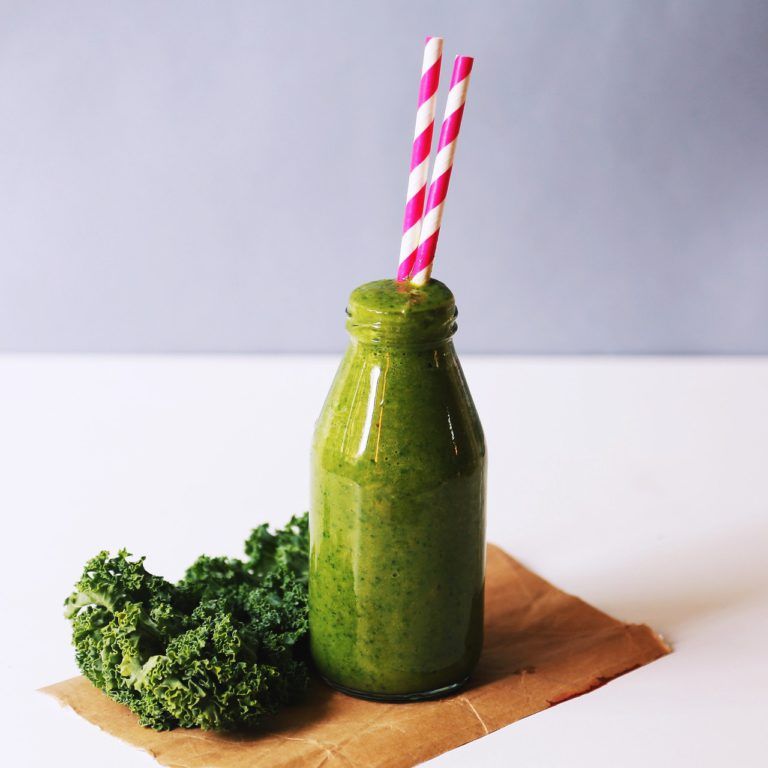
The MIND diet suggests 6 servings per week of greens like kale, collard greens, romaine lettuce, and spinach (remember you can blend them in a smoothie too!). These salad usuals are rich in vitamin K, folate, lutein, and beta carotene. These nutrients are great for brain health and help prevent cognitive decline. They are also full of phytonutrients, which are compounds created naturally by plants. These compounds reduce inflammation and stimulate healthy cell growth.
Fatty Fish
You probably weren’t expecting to see the term fatty in a health article, but several natural fats are really good for you. Certain fish are rich in omega-3 fatty acids, an unsaturated fat that has been linked to preventing Alzheimer’s disease. The MIND diet recommends 1-2 servings of fish per week; try varieties like salmon, cod, and pollack. For vegetarian options, munch on omega-3 rich avocados, walnuts, and flaxseeds.
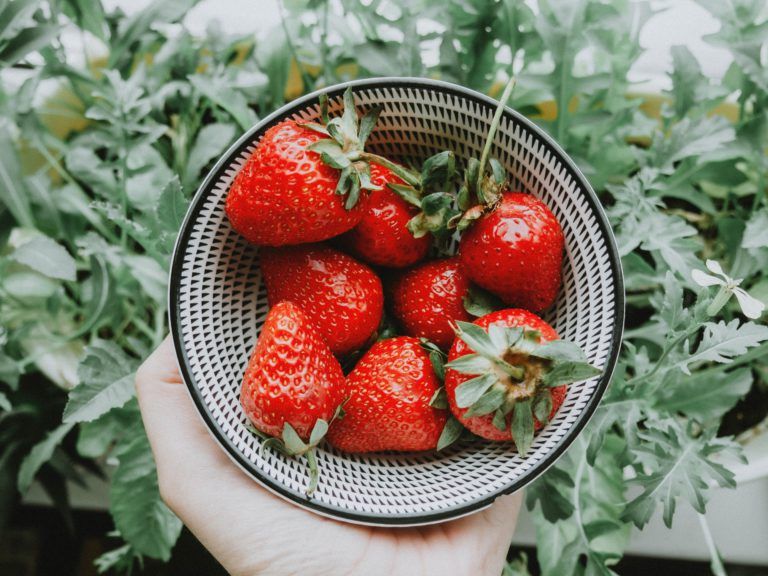
Berries
Both the Mediterranean and DASH diets incorporate fruit, but the MIND diet is especially interested in berries. Berries are rich in flavonoids, which are responsible for their bright colors. These flavonoids have been linked to preventing memory loss. In fact, Annal of Neurology published a study that found that women who ate two or more servings of strawberries or blueberries each week delayed memory decline by two years.
Nuts
Nuts are handy snacks that are rich in vitamin E, a nutrient that protects the mind from cognitive decline. Walnuts in particular have the added bonus of a special type of omega-3 fatty acid that is especially effective at lowering blood pressure. It is recommended to get 5 servings of nuts per week.
Whole Grains
Whole grains like brown rice, oatmeal, whole-wheat pasta, and quinoa are rich in fiber, which provides a slow release of glucose into your bloodstream. Glucose gives you energy without the crash, so you’ll want to get the recommended 3 or more servings per day.
Coffee & Wine
Surprise! Two favorites made the list. Caffeine is king at the short-term concentration boost, but it has also been seen to solidify memories, according to a study at John Hopkins University. Red wine is rich in those helpful flavonoids, so a glass of wine in the evening is still in adherence with the MIND diet.
Conclusion
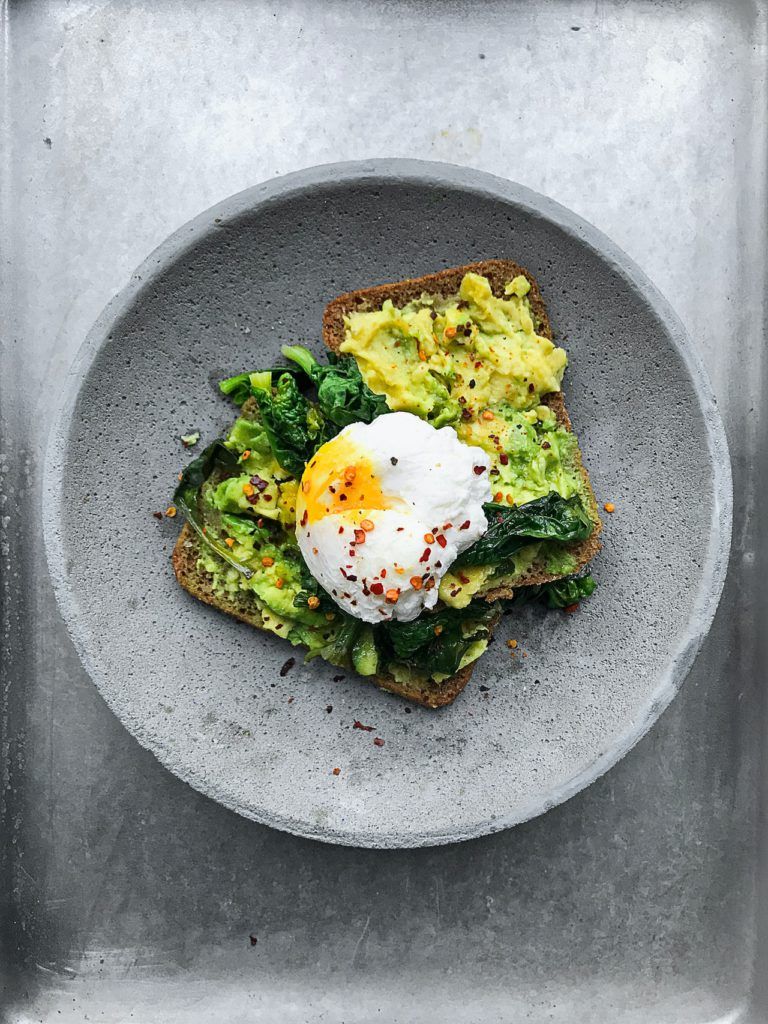
March may be National Nutrition Month, but investing in a healthy diet is important at any time of the year. Now that we’re schooled up on these healthful eating patterns, you’re ready to go forth and get the best nutrition for your brain. Looking for creative ways to eat more fruits and veggies to stay on track? We have an entire article dedicated to that topic. Have a recipe you want to share? Tell us about it at @golivelyhabits on social media – and don’t forget to record your diet progress in the Lively Habits app!

Living It Up Anywhere
The idea of living your best life can be done anywhere, at any time, and all it really takes is a mindset shift. Take it one core lifestyle habit at a time, whether that is eating healthy and less, daily exercise, quitting bad habits, getting a routine checkup, or being positive. Take a chance today to Live It Up!