The Warning Signs of a Stroke Most People Dismiss


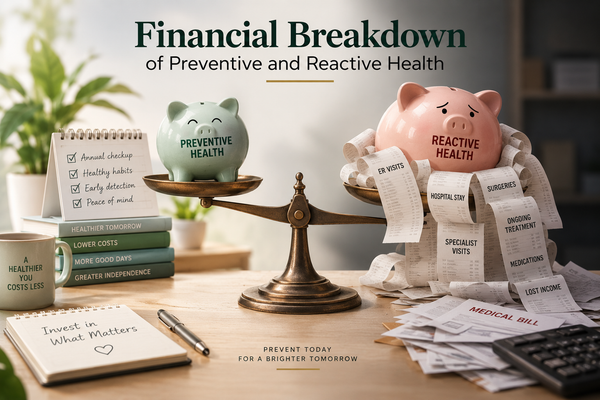
The best treatment is the one you never needed.
A stroke happens about once every 40 seconds in the U.S. What doesn't get said enough is that most of them don't have to happen at all.
According to the American Heart Association and the CDC, up to 80% of strokes are preventable. Not curable after the fact, preventable before it starts. That number is the whole reason this post exists. Stroke isn't just something that happens to people, it's something that builds quietly for years through a small, well-documented set of risk factors, most of which can be managed once you know to look for them.
Here's what actually moves the needle.
The Daily Habits That Lower Your Risk
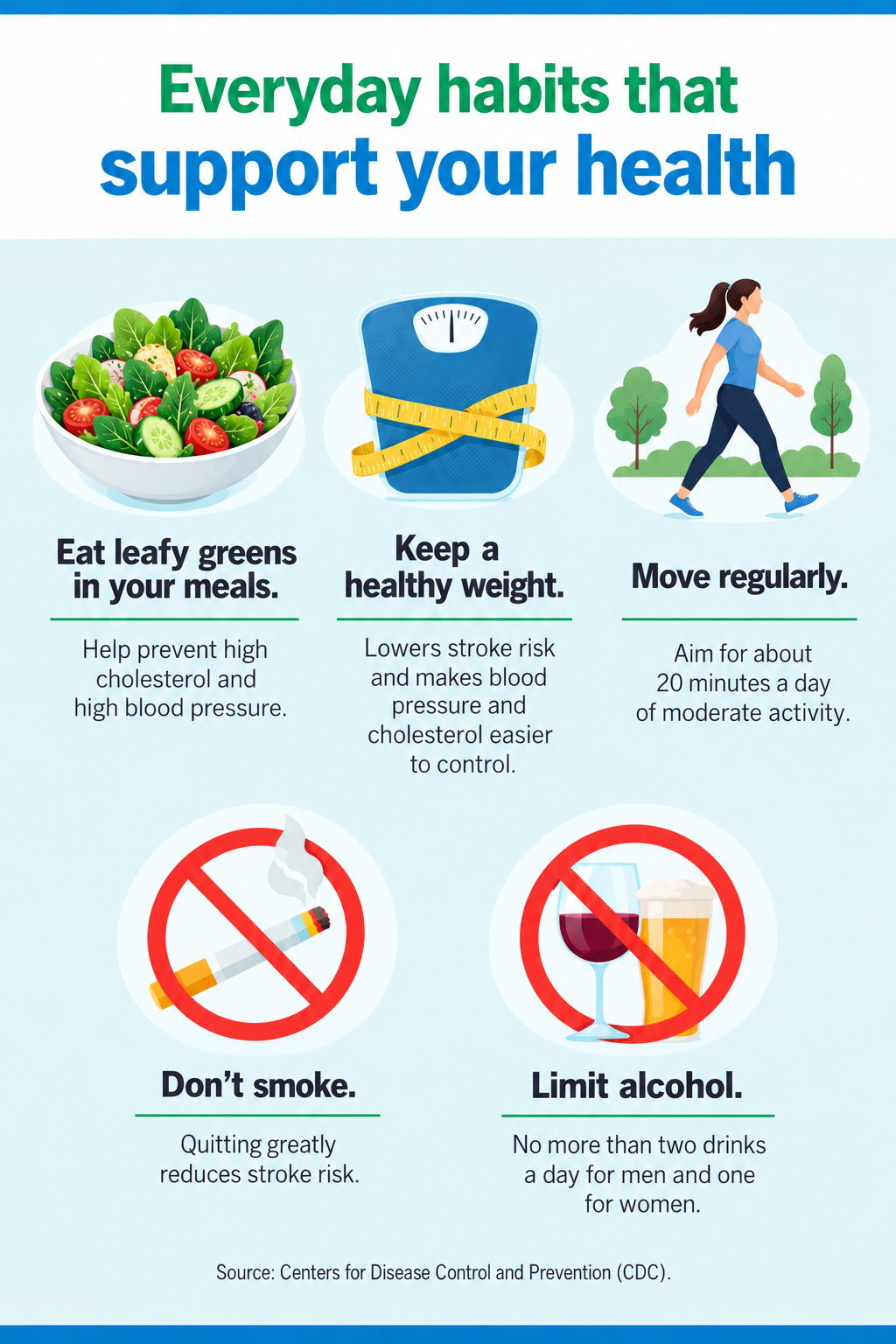
The CDC's guidance on stroke prevention comes down to five everyday habits. None of them require a major life overhaul, and the research behind each one is specific enough to act on.
Eat with your arteries in mind. A diet low in saturated fat, trans fat, and sodium, and high in fruit, vegetables, and fiber, helps prevent the high cholesterol and high blood pressure that drive most strokes. This isn't a vague suggestion either: a pooled analysis of over 177,000 people found that cutting about one teaspoon of salt a day was linked to a 23% lower stroke rate.
Keep a healthy weight. Carrying excess weight raises stroke risk both directly and by making blood pressure and cholesterol harder to control. Your doctor can calculate your BMI, or you can check it yourself using the CDC's BMI calculator.
Move regularly. The Surgeon General recommends 2 hours and 30 minutes of moderate aerobic activity a week for adults, about 20 minutes a day. Activity helps manage weight, cholesterol, and blood pressure all at once, which is part of why it shows up in nearly every prevention guideline.
Don't smoke. Smoking significantly raises stroke risk by damaging blood vessels directly. The encouraging part: quitting works fast. Coronary heart disease risk drops 50% within a single year of quitting.
Limit alcohol. The CDC recommends no more than two drinks a day for men and one for women. Heavier or binge drinking has been linked to a meaningfully higher stroke risk, particularly in women.
The Numbers Worth Knowing
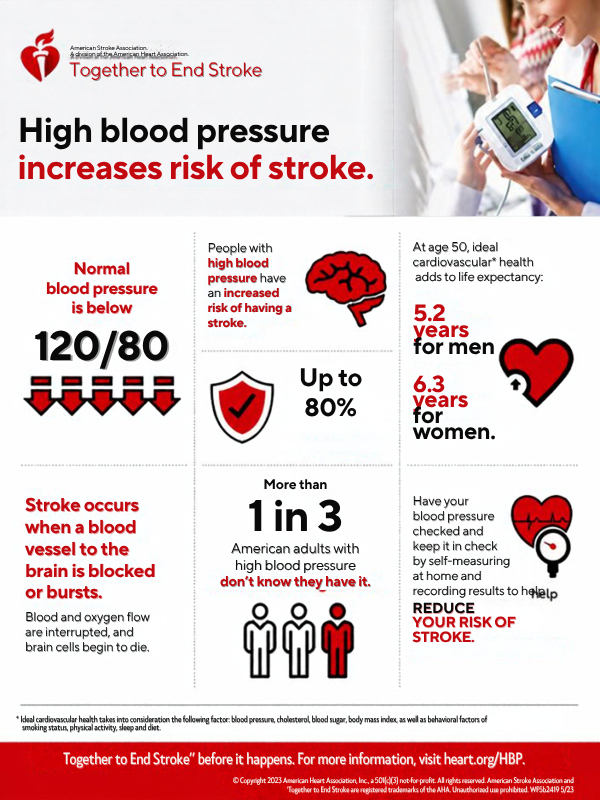
Habits matter, but stroke prevention really comes down to a handful of numbers most people have never checked.
Blood pressure. This is the single biggest lever. About 3 in 4 people having a first stroke have elevated blood pressure at the time it happens, according to the American Heart Association. High blood pressure usually has no symptoms, which is exactly why it needs to be checked regularly rather than waited on. If yours is high, your doctor may recommend lifestyle changes, a lower-sodium diet, or medication.
Cholesterol. Your doctor should test your cholesterol at least once every five years. High cholesterol contributes directly to the artery narrowing behind most strokes, and like blood pressure, it produces no symptoms of its own.
Diabetes. Unmanaged blood sugar damages blood vessels over time and raises stroke risk substantially. Regular monitoring and working with your care team on diet, activity, and medication all help keep that risk in check.
Atrial fibrillation (AFib). This is the one most people have never heard of, and it deserves more attention than it gets. AFib, an irregular heartbeat, causes about 15% of all strokes and makes a person roughly 5 times more likely to have one. About half of people with AFib have no symptoms at all. An EKG, a test that takes minutes, can catch it. If you've never had one and haven't asked, that's worth a five-minute conversation at your next appointment.
The Takeaway
Stroke prevention isn't complicated, it's a short list: know your blood pressure, get your cholesterol checked, manage diabetes if you have it, ask about AFib, move a little every day, and skip the cigarettes. None of it guarantees anything, but 80% preventable is a number worth taking seriously.
This is exactly the kind of proactive monitoring the Joe & Emmy Liu Foundation exists to promote, catching what's preventable before it becomes an emergency. For more on early warning signs and preventive health, explore the rest of our blog.
The Foundation's Role in Closing the Gap
The Joe and Emmy Liu Foundation exists to make that awareness free and accessible to every family that needs it. Our mission is rooted in the belief that proactive monitoring and early warning education can help shift healthcare from reactive to proactive, potentially reducing unnecessary Medicare costs and supporting better outcomes for older adults and the families who love them. No medical advice. No products. Just free education for families who want to stay closer to their loved ones, no matter the distance.
👉 Click here to join our community
Sources
- American Stroke Association — High Blood Pressure and Stroke Infographic. 2023.
https://www.stroke.org/en/about-stroke/stroke-risk-factors/high-blood-pressure-and-stroke-infographic - Centers for Disease Control and Prevention — Stroke Prevention.
https://www.cdc.gov/stroke/prevention/index.html - Centers for Disease Control and Prevention — Fast Facts: Health and Economic Costs of Chronic Conditions.
https://www.cdc.gov/chronic-disease/data-research/facts-stats/index.html - American Heart Association — 2024 Heart Disease and Stroke Statistics. 2024.
heart.org - World Stroke Organization — Global Stroke Fact Sheet 2025. International Journal of Stroke. 2025.