Reactive by Design. Expensive by Default

The Design Behind the Default
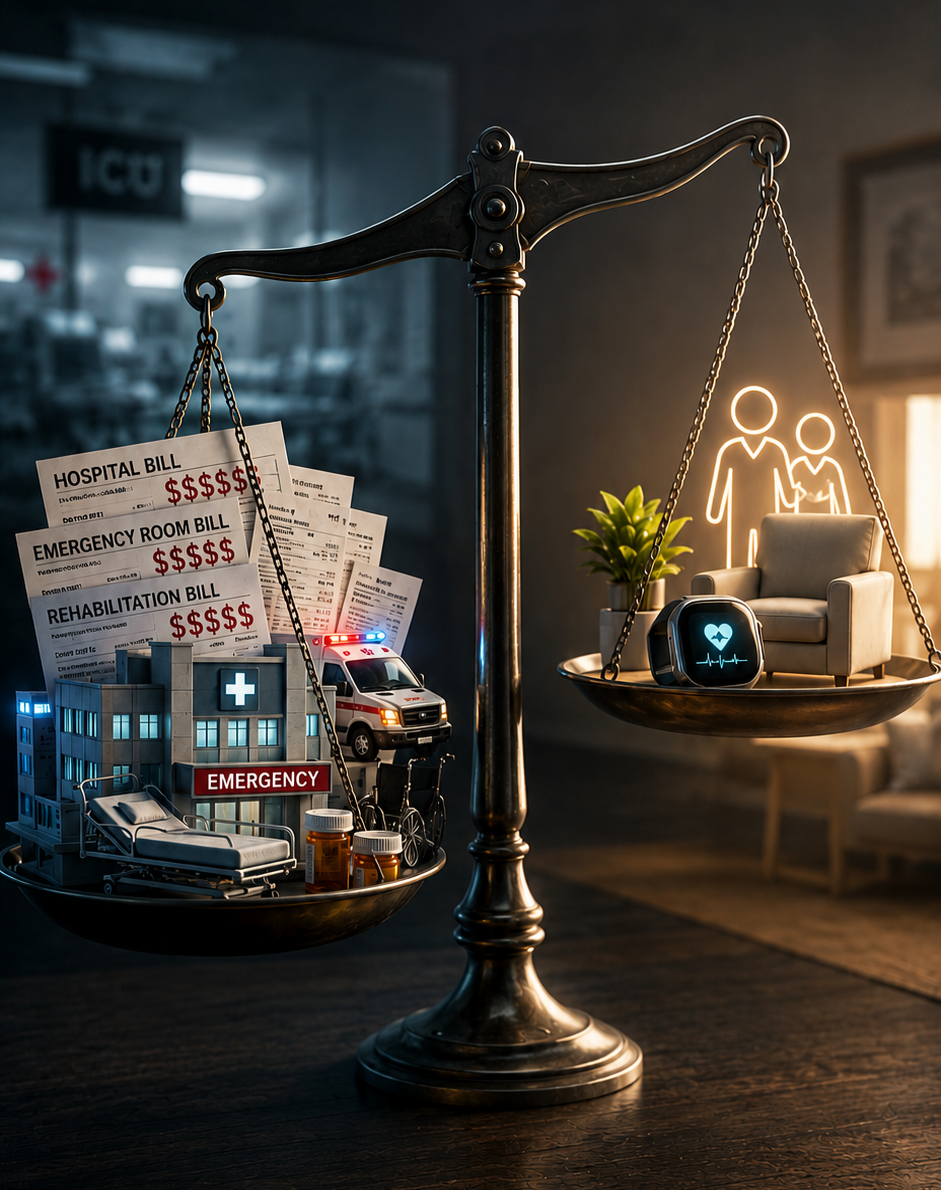
Modern healthcare was not built around keeping people well. It was built around treating people who are already sick. From hospital funding to insurance reimbursements to Medicare structure, nearly every part of the system is designed to respond after something goes wrong. This is not an accident or an oversight. It is the result of decades of policy, infrastructure, and financial incentives all pointing in the same direction. The system does what it was designed to do. The problem is that it was never designed with prevention as the priority.

The Price of a Reactive Blueprint
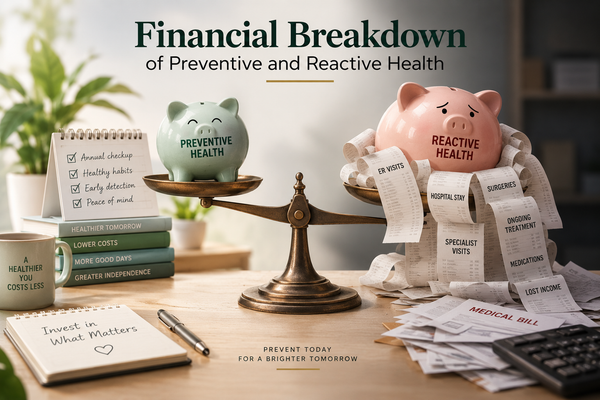
When a system is built to react, it pays for reaction. In 2024, Medicare spending grew to $1.1 trillion, accounting for 21 percent of all U.S. healthcare spending. In that same year, preventable hospitalizations alone cost the country an estimated $33.7 billion, the majority tied to chronic conditions like heart failure and diabetes. These are not the costs of a system overwhelmed by the unexpected. They are the predictable outcome of a system that waits for crisis before it acts. A blueprint built around response will always generate the costs that come with responding too late.

The False Sense of Security
Most people trust that the system is watching out for them. Annual checkups, occasional lab work, and routine appointments create a sense of coverage that feels reassuring. But that coverage has significant gaps. More than two thirds of Medicare patients are managing two or more chronic conditions, yet preventable emergency visits remain one of the fastest growing cost drivers in the entire system. Adults 55 and older account for more than half of all U.S. health spending despite making up just 31 percent of the population. A yearly visit captures a single moment in time. It does not observe the subtle shifts that develop between appointments, the gradual changes that often signal something worth paying attention to long before symptoms appear.

What the System Was Never Designed to Provide
The financial consequences of delayed awareness are not abstract. A 65 year old retiring today can expect to spend an average of $172,500 out of pocket on healthcare expenses throughout retirement, and that figure does not include long term care. For those who need it, a nursing home semi private room averaged $112,420 per year in 2024, while home care averaged around $51,480 annually. These numbers reflect what happens when awareness arrives late and options narrow. Proactive monitoring and early warning education exist to fill the space the system was never designed to cover. Not to replace what healthcare offers, but to provide the steady layer of awareness that structured care was never built to maintain.

The Foundation's Role in Closing the Gap
The Joe and Emmy Liu Foundation exists to make that awareness free and accessible to every family that needs it. Our mission is rooted in the belief that proactive monitoring and early warning education can help shift healthcare from reactive to proactive, potentially reducing unnecessary Medicare costs and supporting better outcomes for older adults and the families who love them. No medical advice. No products. Just free education for families who want to stay closer to their loved ones, no matter the distance.
👉 Click here to join our community
Sources
- Centers for Medicare and Medicaid Services. National Health Expenditure Data: NHE Fact Sheet. cms.gov. 2024.
- America's Health Rankings. Preventable Hospitalizations in the United States. americashealthrankings.org. 2024.
- Centers for Medicare and Medicaid Services. Medicare Chronic Conditions Data. cms.gov. 2024.
- Kiplinger. Average Cost of Healthcare by Age and US State. kiplinger.com. 2026.
- Fidelity Investments. Retiree Health Care Cost Estimate. fidelity.com. 2025.
- Federal Long Term Care Insurance Program. Cost of Care Data. ltcfeds.com. 2024.