The Missed Early Warning Signs

Something Was Already Happening
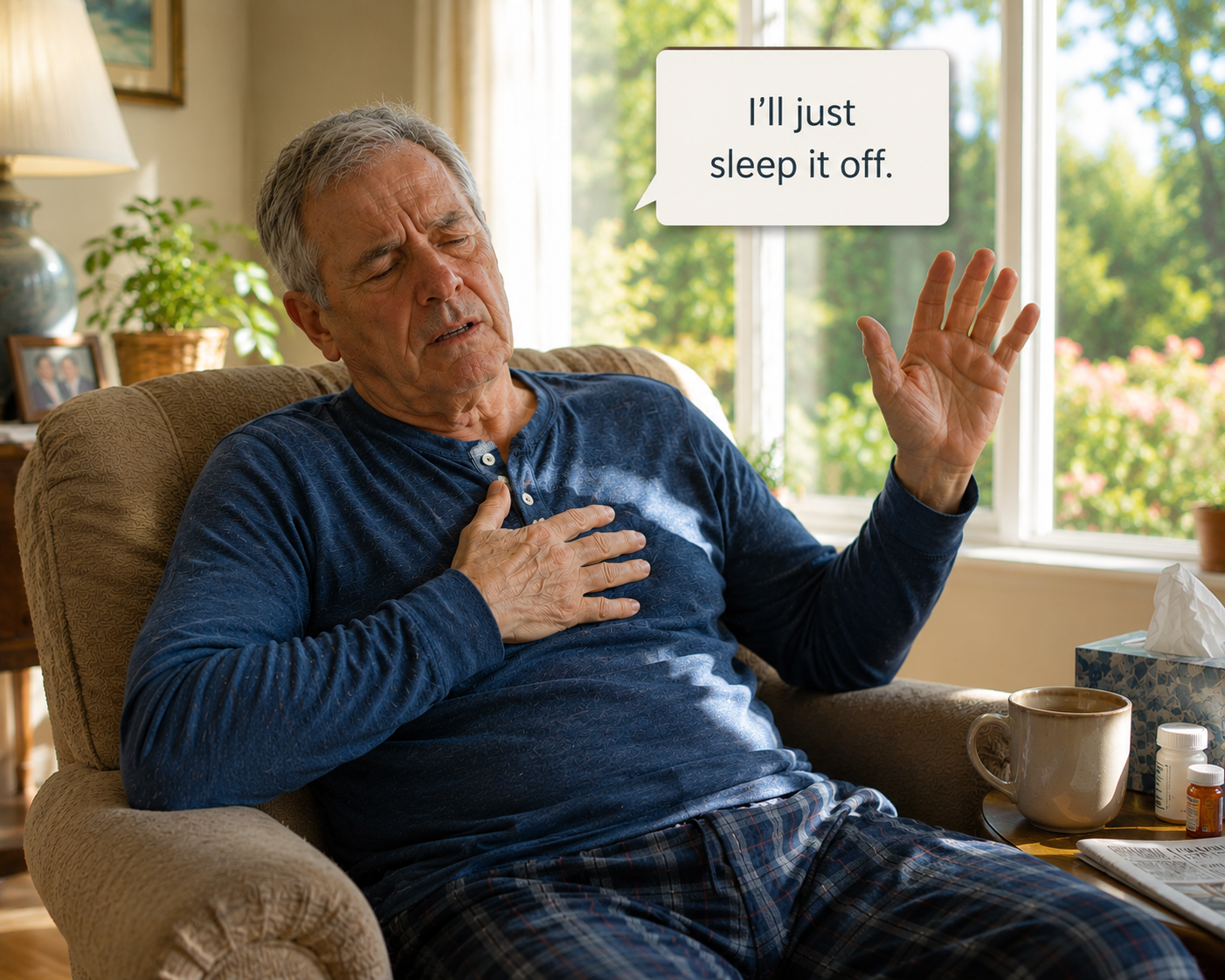
Most people imagine a health crisis arriving without warning. One moment everything is fine and the next it is not. But research is telling a different story. In the majority of serious cardiovascular events, the body had already been sending signals. Subtle ones. Easy to dismiss. The kind that get chalked up to stress, aging, or a bad night of sleep. The crisis did not appear out of nowhere. It arrived after a period of quiet warning that most people never recognized for what it was. Understanding that gap between signal and awareness is one of the most important conversations in healthcare today.

The Cost of Missing the Signal
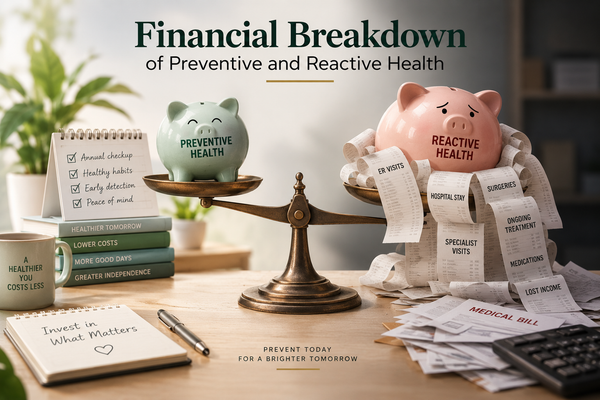
When warning signs go unrecognized, the response that follows is almost always reactive. And reactive care carries a price that extends far beyond the initial emergency. Hospital admissions, intensive interventions, extended rehabilitation, and long term support services all follow a crisis that may have been building quietly for weeks or months beforehand. Medicare spends hundreds of billions of dollars annually responding to events that in many cases were preceded by detectable signals. The financial weight of a single missed warning can ripple through a family for years. The cost is not only medical. It reshapes finances, routines, and long term stability in ways that are difficult to recover from.
What the Research Actually Shows
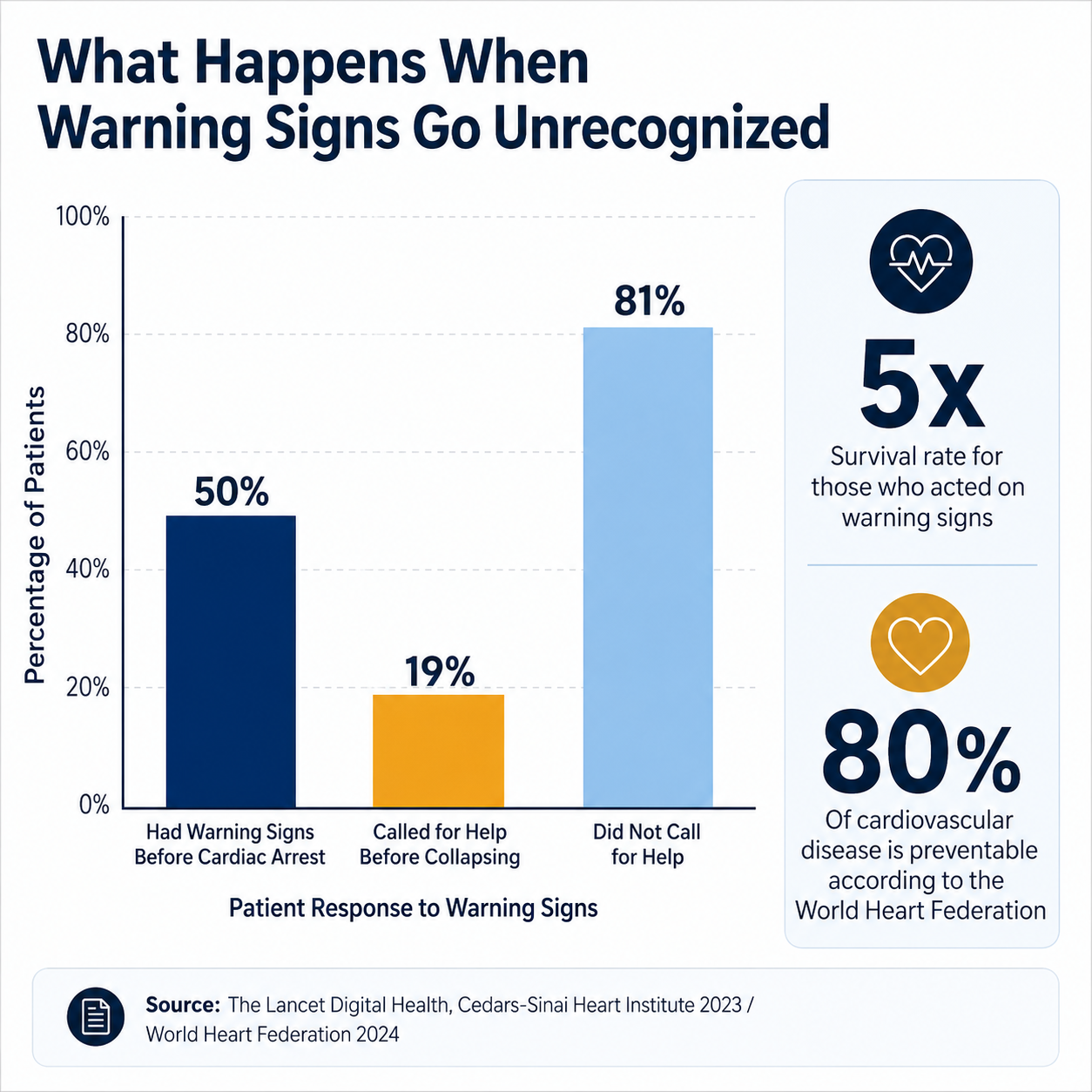
The data on this is striking. A 2023 study published in The Lancet Digital Health by researchers at Cedars-Sinai found that approximately half of patients with sudden cardiac arrest had symptoms in the hours, days, or weeks before their event. Of those who experienced warning signs, only 19 percent called for emergency help before collapsing. The ones who did act on their warning signs had more than five times higher survival rates than those who did not. Five times. From the same warning signs. The difference was not the signal. It was whether anyone recognized it in time to act. The World Heart Federation adds even more weight to this picture. An estimated 80 percent of cardiovascular disease, including heart disease and stroke, is preventable. The gap between what is possible and what is actually happening is not a medical gap. It is an awareness gap.
The Window That Still Exists
The research does not tell a hopeless story. It tells an actionable one. If warning signs are present before most serious cardiac events, then the window for earlier awareness is real. Continuous monitoring and connected health tools make it possible to observe patterns and changes over time that a single annual appointment was never designed to catch. The goal is not to create fear or replace medical care. It is to support the kind of steady, informed awareness that helps individuals and families recognize when something may be worth paying attention to. The window exists. Earlier awareness is what keeps it open long enough to act.
The Foundation's Role in Closing the Gap
The Joe and Emmy Liu Foundation exists to make that awareness free and accessible to every family that needs it. Our mission is rooted in the belief that proactive monitoring and early warning education can help shift healthcare from reactive to proactive, potentially reducing unnecessary Medicare costs and supporting better outcomes for older adults and the families who love them. No medical advice. No products. Just free education for families who want to stay closer to their loved ones, no matter the distance.