What a Health Crisis Really Takes From You


When most people think about a health crisis, they think about the diagnosis, the treatment, and the recovery. But for the people living through it and the families beside them, something else is often at stake. Something harder to measure and far more personal. A health crisis does not only affect the body. It affects the ability to make your own choices, live on your own terms, and remain the person you have always been. Long before a major event occurs, subtle changes can quietly erode the foundation that independence is built on. By the time the crisis arrives, that foundation may already be weakened in ways nobody noticed.
The Financial Cost of Losing Control
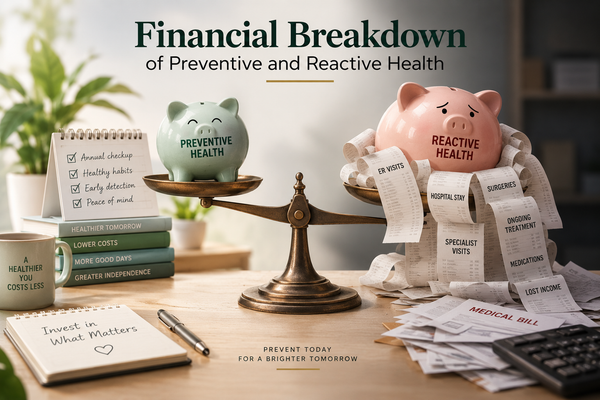
The financial impact of a health crisis extends well beyond the initial medical bills. When independence begins to fade, new and ongoing costs follow quickly. Assisted living facilities averaged $74,148 per year in 2024, with memory care units exceeding $94,000 annually. Home care services averaged $51,480 per year for those who needed support but were not yet ready for a facility. A 65 year old retiring today can expect to spend an average of $172,500 out of pocket on healthcare throughout retirement, and nearly 80 percent of those who live past 65 will require some form of long term care. These are not edge case numbers. They are the financial reality that follows when a crisis arrives without warning and options narrow almost overnight.

What Families Carry When Independence Fades
The loss of independence does not only affect the person at the center of a health crisis. It reshapes everything around them. Adult children step into caregiving roles they were not prepared for. Routines are rearranged. Careers are paused. Relationships shift in ways that are difficult to anticipate and harder to reverse. The grief that comes with watching a parent or loved one lose their sense of autonomy is real and often unacknowledged. Decisions that were once personal become group conversations. Simple daily choices that most people take for granted suddenly require assistance, coordination, and compromise. The emotional weight of that transition is something families carry long after the medical situation has stabilized.

How Earlier Awareness Protects What Matters Most
Independence is not lost all at once. It fades gradually, often beginning with small changes that go unnoticed until they become something harder to manage. Earlier awareness creates the opportunity to catch those changes before they compound. Continuous monitoring and connected health tools make it possible to observe subtle patterns and shifts long before they escalate into emergencies. The goal is not to create anxiety or constant attention. It is to provide the kind of steady insight that allows individuals and families to make informed decisions while options are still open. Staying ahead of a health change preserves choice. And preserving choice is what protecting independence actually looks like in practice.
The Foundation's Role in Closing the Gap
The Joe and Emmy Liu Foundation exists to make that awareness free and accessible to every family that needs it. Our mission is rooted in the belief that proactive monitoring and early warning education can help shift healthcare from reactive to proactive, potentially reducing unnecessary Medicare costs and supporting better outcomes for older adults and the families who love them. No medical advice. No products. Just free education for families who want to stay closer to their loved ones, no matter the distance.
👉 Click here to join our community
Source:
Genworth and CareScout, 2024 Cost of Care Survey
https://investor.genworth.com/news-events/press-releases/detail/982/genworth-and-carescout-release-cost-of-care-survey-results