The Caregiver's Blind Spot

Why Distance Makes Health Harder to Track
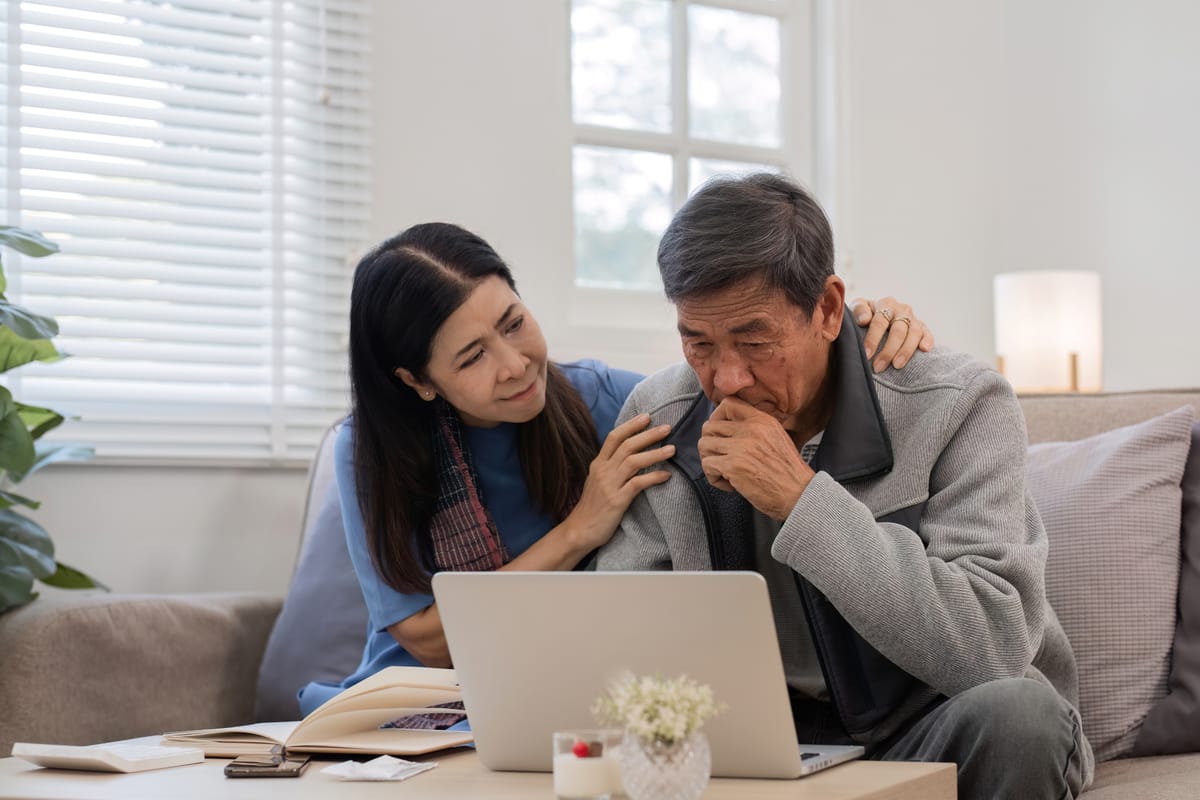
For millions of American families, caring for an aging parent from across town or across the country has become one of the most quietly stressful responsibilities of adult life. Phone calls reassure but they do not tell the full story. A parent may sound fine on a Tuesday and be in the emergency room by Thursday. The distance between a caregiver and a loved one is not just geographic. It is informational. And that gap is where health crises tend to quietly develop before anyone realizes something has changed.

The Signals That Go Unnoticed
Health does not usually change all at once. It shifts gradually, through small patterns that are easy to miss when you are not present day to day. A slight change in sleep, a slower response time, a subtle shift in energy or appetite. These are the kinds of early signals that someone living in the same home might notice naturally. For a caregiver managing their own household from miles away, those signals are largely invisible. By the time something becomes obvious enough to act on, the window for early awareness has often already closed.

What Proactive Monitoring Awareness Can Change
This is exactly the gap that proactive health education aims to address. Understanding that early warning signals exist, and that technology has evolved to help surface them, may help families stay more informed without requiring constant physical presence. Free educational resources on monitoring tools and preventive care technology are increasingly available for families who want to stay ahead rather than respond after the fact. Awareness of what is possible today is the first step toward reducing the uncertainty that distance creates.
The Foundation's Role in Closing the Gap
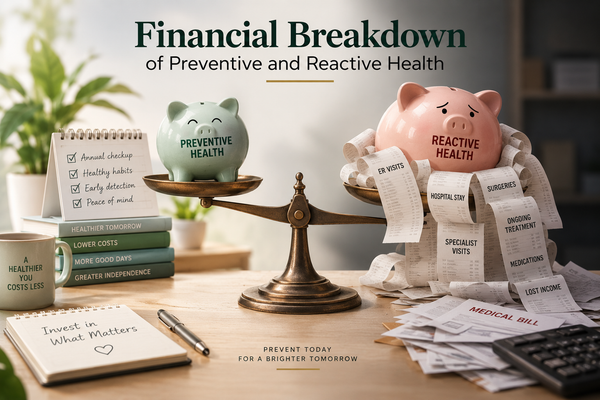
The Joe and Emmy Liu Foundation exists to make that awareness free and accessible to every family that needs it. Our mission is rooted in the belief that proactive monitoring and early warning education can help shift healthcare from reactive to proactive, potentially reducing unnecessary Medicare costs and supporting better outcomes for older adults and the families who love them. No medical advice. No products. Just free education for families who want to stay closer to their loved ones, no matter the distance.