The Cost of Not Knowing


The Hidden Window Before Crisis
Many of the most serious health events do not begin suddenly. Long before a hospitalization, stroke, or heart attack occurs, subtle changes are often developing quietlwrry beneath the surface. Yet much of modern healthcare still depends on symptoms becoming noticeable before action is taken. This creates a dangerous gap between when change begins and when awareness finally arrives. By the time something feels urgent, valuable time and opportunities may already have been lost. In many cases, the greatest danger is not the event itself, but how long it develops unnoticed beforehand.
The Financial Weight of Delayed Awareness
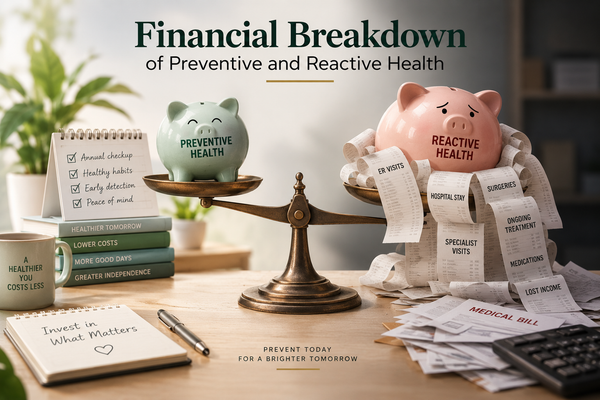
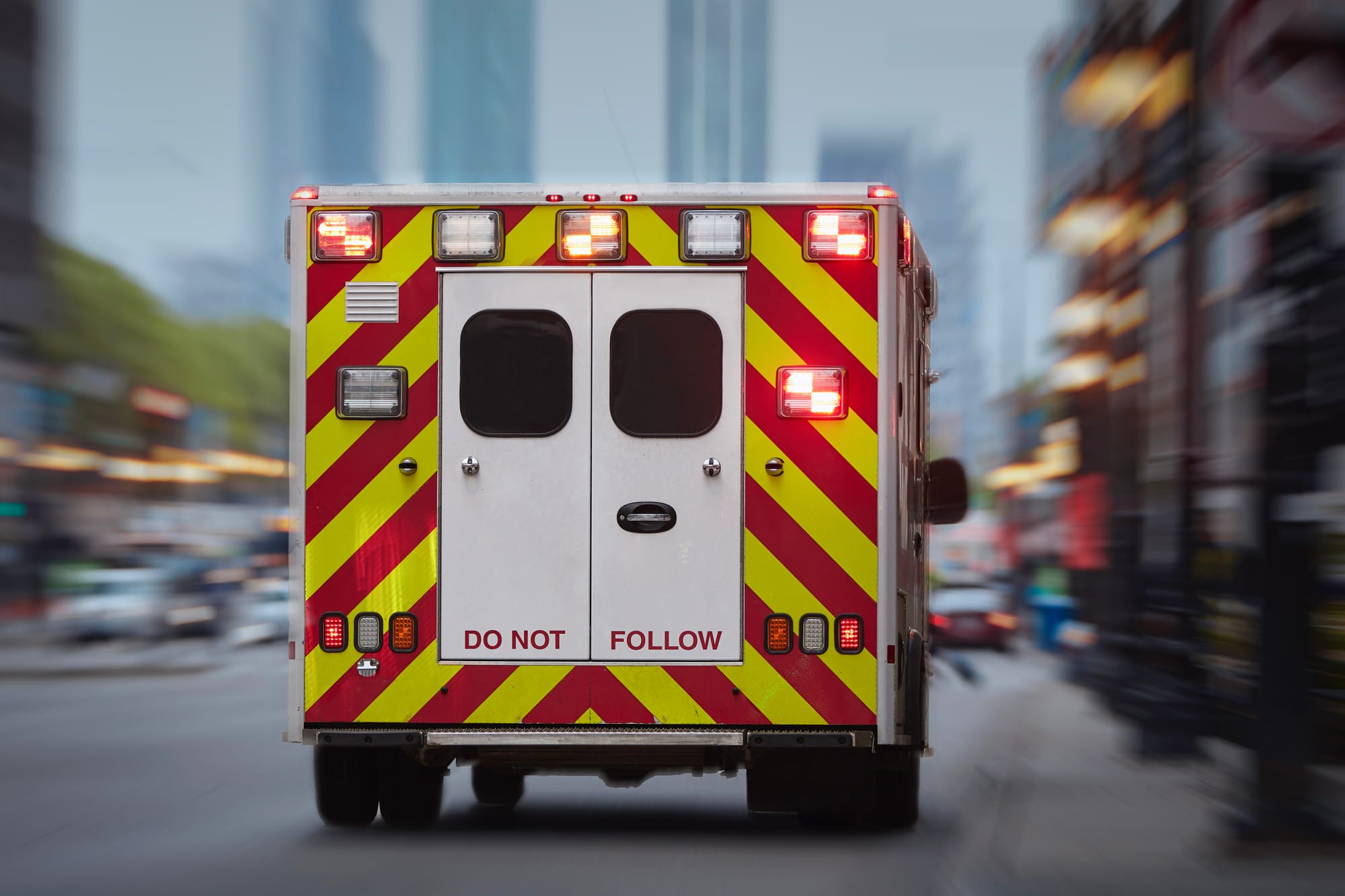
Reactive care is often the most expensive form of healthcare. Emergency interventions, hospital admissions, rehabilitation, and long term support services place enormous strain on both families and public health systems like Medicare. A single preventable event can lead to years of ongoing medical costs and life altering consequences. These health expenses are not caused by a lack of treatment, but by the absence of earlier awareness when intervention may have been simpler and far less disruptive.
The Emotional Cost Families Carry
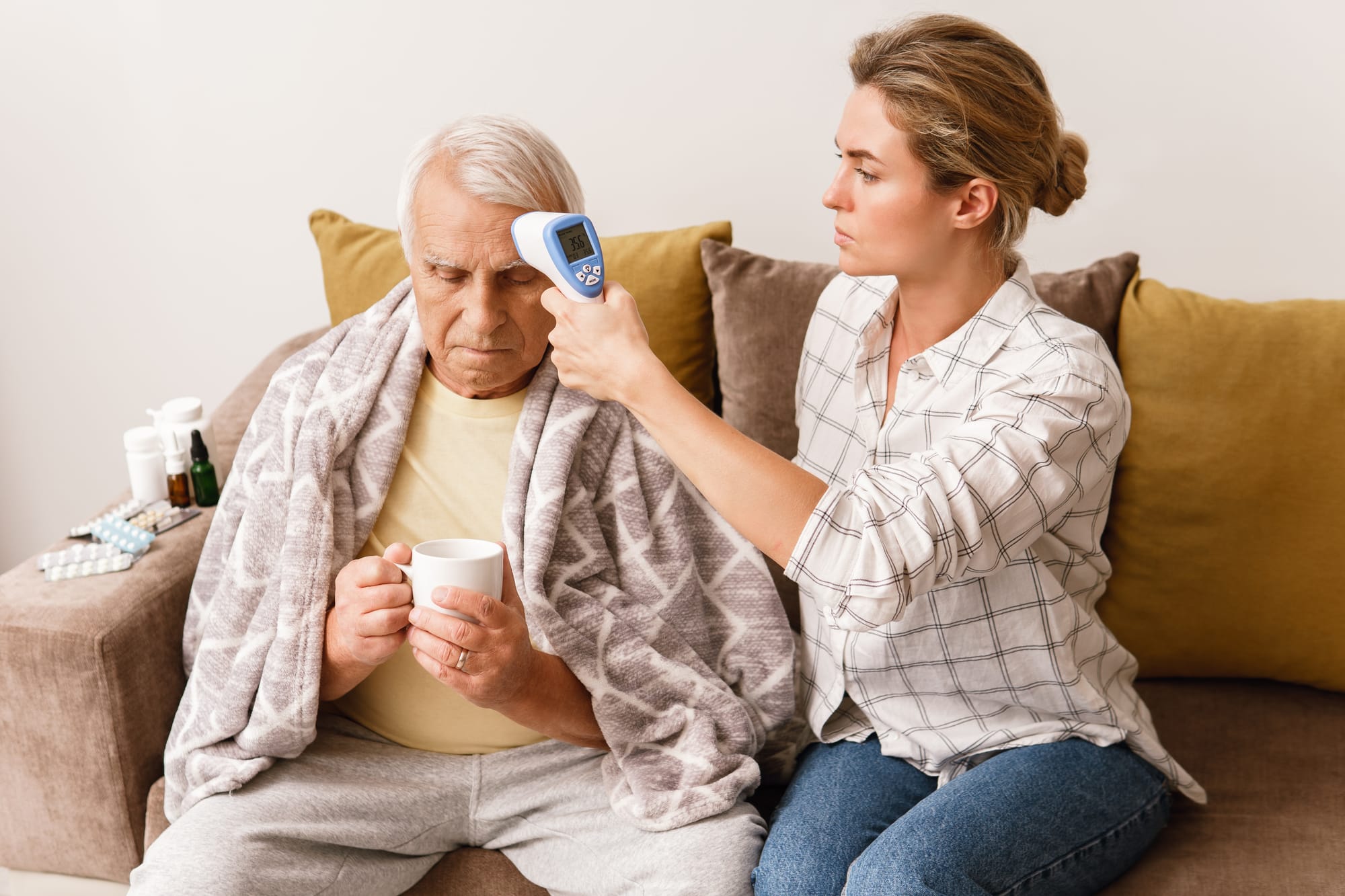
The cost of not knowing extends beyond finances. Families often carry the emotional burden of uncertainty when health declines unexpectedly. Sudden emergencies force rushed decisions, limited options, and moments of panic that leave little time for thoughtful action. Independence can disappear almost overnight, changing routines, relationships, and quality of life for everyone involved. Earlier awareness helps reduce this uncertainty by creating more time, more clarity, and a greater sense of stability before problems escalate.

Why Earlier Awareness Changes Everything
Modern preventive technologies are beginning to reshape what healthcare can look like. Continuous monitoring and connected health systems make it possible to observe subtle patterns and changes long before they become emergencies. The purpose is not to create fear or constant attention. It is to support informed decision making through steady awareness and earlier understanding. When individuals, families, and care providers have access to meaningful insight sooner, intervention becomes more thoughtful, proactive, and manageable.
A Smarter Measure of Healthcare Success
Healthcare should not be measured only by how well it responds to crisis. It should also be measured by how effectively it helps people preserve independence, avoid preventable emergencies, and continue living well for longer. Reducing healthcare costs begins with reducing the number of crises that require expensive intervention in the first place. The cost of not knowing is often far greater than the cost of staying informed.

The Foundation's Role in Closing the Gap
The Joe and Emmy Liu Foundation exists to make that awareness free and accessible to every family that needs it. Our mission is rooted in the belief that proactive monitoring and early warning education can help shift healthcare from reactive to proactive, potentially reducing unnecessary Medicare costs and supporting better outcomes for older adults and the families who love them. No medical advice. No products. Just free education for families who want to stay closer to their loved ones, no matter the distance.