The Holiday Game Plan Nobody Has to Feel Guilty About

It Was Never About the Food
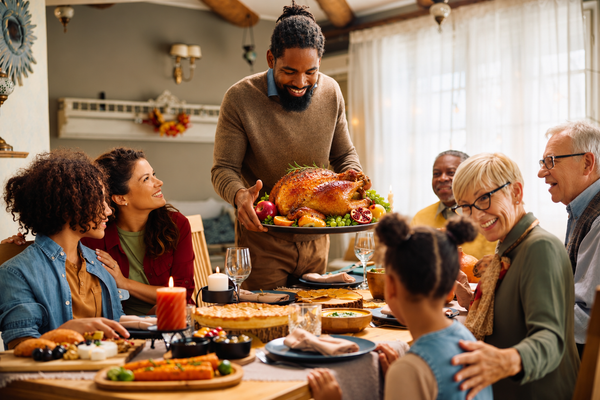
Few things bring people together like a holiday meal. The same recipes come out every year. Someone always runs late, someone always takes a second helping, and somebody’s story gets a little better every time it is told. Those are the moments people remember long after the leftovers are gone. So let’s start with something simple. Nobody needs a holiday that feels like a rulebook. The goal is not to eat less or enjoy less. It is to walk into the season with a little awareness, so the memories are the only thing that lingers.
The Five Pound Myth
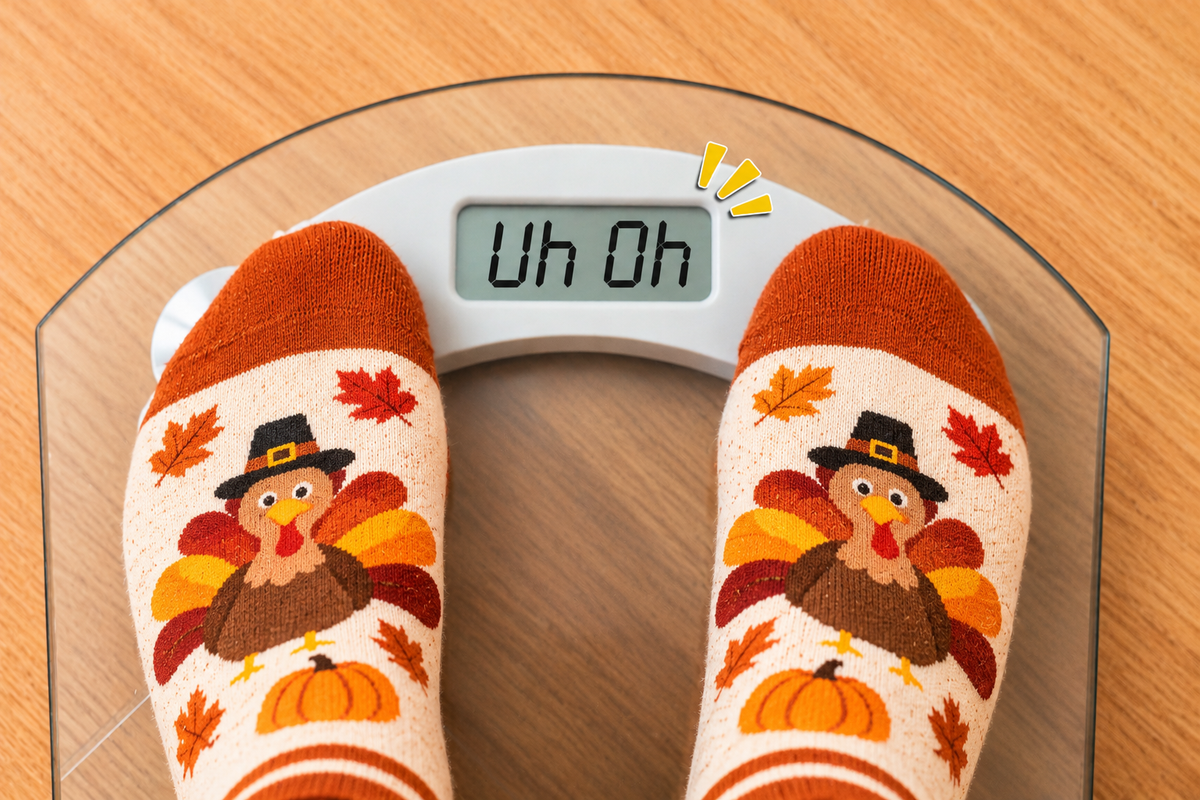
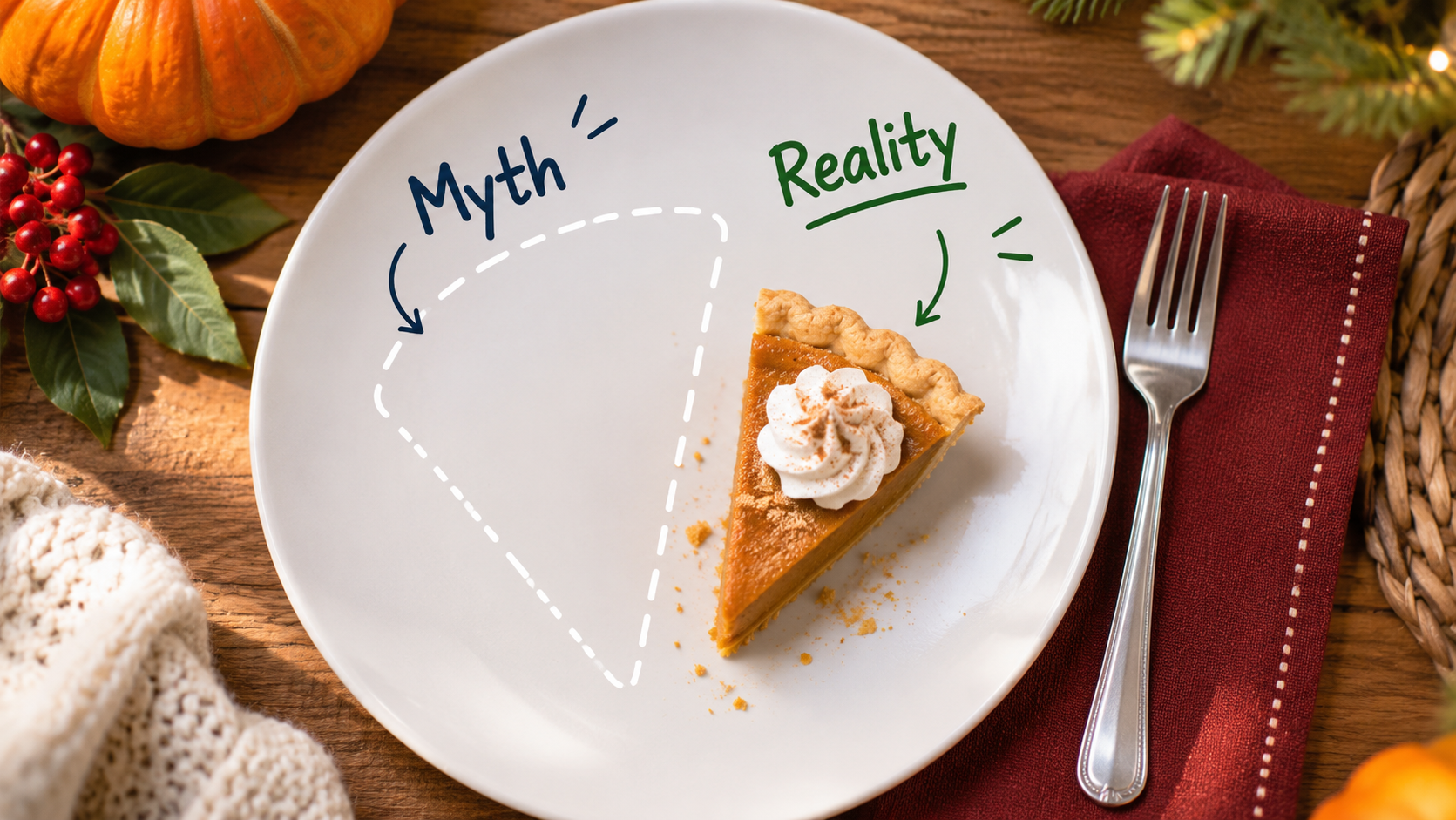
You have probably heard that the average person gains five to ten pounds between Thanksgiving and New Year’s Day. According to Yanovski et al. in the New England Journal of Medicine (2000), the real average was under one pound. Participants also overestimated their own gain by about three pounds. The same study found that the small gain tended to stick around instead of disappearing in the spring. The takeaway is a relief and a reminder at once. The holidays are not nearly as dramatic as the rumor, but the season is not about one big meal. It is about the weeks around it, and the small habits that quietly add up when nobody is paying attention.
Enjoy It On Purpose
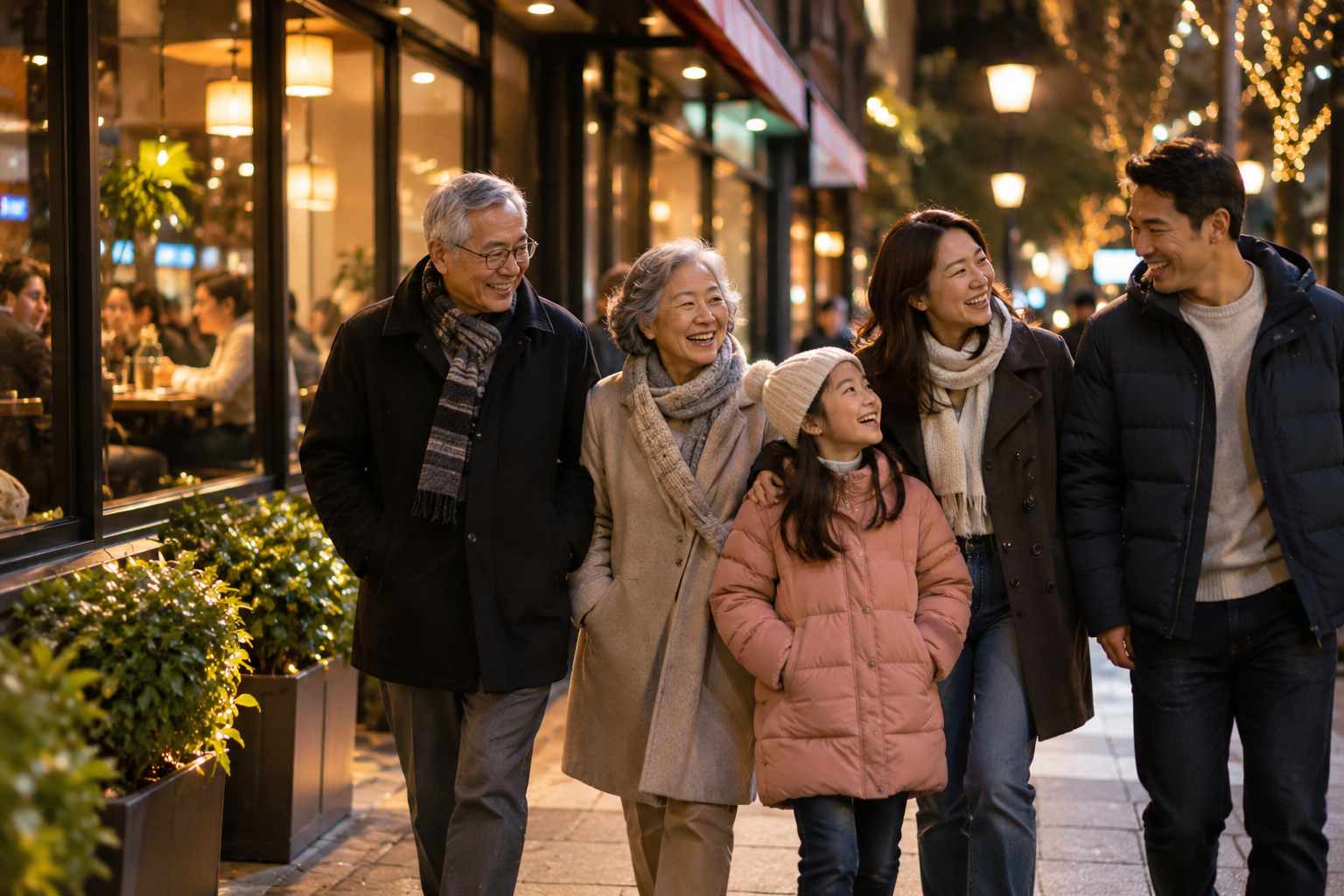
The people who have the best holidays tend to have a loose plan, not strict rules. Eat a real breakfast so you arrive at the table hungry, not starving. Take a lap and chat with someone before going back for seconds, then see if you still want them. Spend your plate on the dishes you only get once a year, not the ones you can have any Tuesday. Drink some water between the festive drinks. Take a walk after the meal, ideally with someone you love, because it turns digesting into quality time. And get some sleep, because everything feels better on a rested brain. None of this takes away from the fun. It just means you get to enjoy it and still feel like yourself the next morning.

Do Not Put Your Health on Hold
Here is the part that rarely makes it into holiday guides. Researchers writing in Circulation (Phillips et al., 2004) found a modest but measurable rise in heart related deaths around Christmas and New Year’s, and suggested one possible reason is that people feel too busy or too festive to go get checked. Chest discomfort gets blamed on the big meal. Fatigue gets blamed on the schedule. A symptom gets pushed to “after the holidays.” Yet the holidays are exactly when families are together and best positioned to notice if someone seems off. Paying attention is not a buzzkill. It is how celebrations stay celebrations. If something feels wrong, in you or in someone you love, do not wait for the party to end.

The Foundation’s Role in Closing the Gap
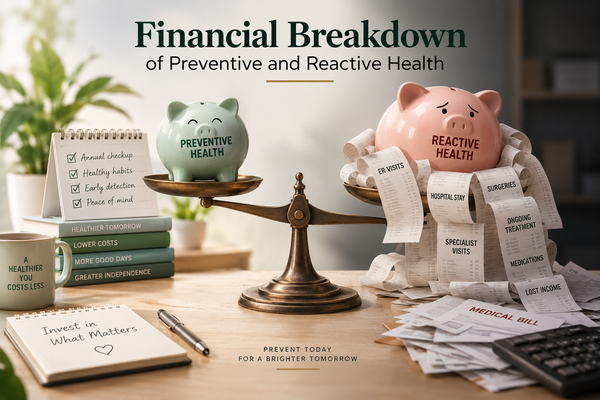
The Joe and Emmy Liu Foundation exists to make that awareness free and accessible to every family that needs it. Our mission is rooted in the belief that proactive monitoring and early warning education can help shift healthcare from reactive to proactive, potentially reducing unnecessary Medicare costs and supporting better outcomes for older adults and the families who love them. No medical advice. No products. Just free education for families who want to stay closer to their loved ones, no matter the distance.
👉 Click here to join our community
Sources
Yanovski JA, Yanovski SZ, Sovik KN, Nguyen TT, O’Neil PM, Sebring NG. A prospective study of holiday weight gain. New England Journal of Medicine. 2000;342(12):861-867. doi:10.1056/NEJM200003233421206. https://pubmed.ncbi.nlm.nih.gov/10727591/
Phillips DP, Jarvinen JR, Abramson IS, Phillips RR. Cardiac mortality is higher around Christmas and New Year’s than at any other time: the holidays as a risk factor for death. Circulation. 2004;110(25):3781-3788. doi:10.1161/01.CIR.0000151424.02045.F7
This article is for education only and is not medical advice.