What Are Anxiety Disorders?
Common signs of anxiety are feeling nervous, restless, or tense, having a sense of danger or panic, having an increased heart rate, breathing rapidly or hyperventilating, sweating, trembling, feeling weak or tired, trouble concentrating, trouble sleeping, and experiencing gastrointestinal problems.

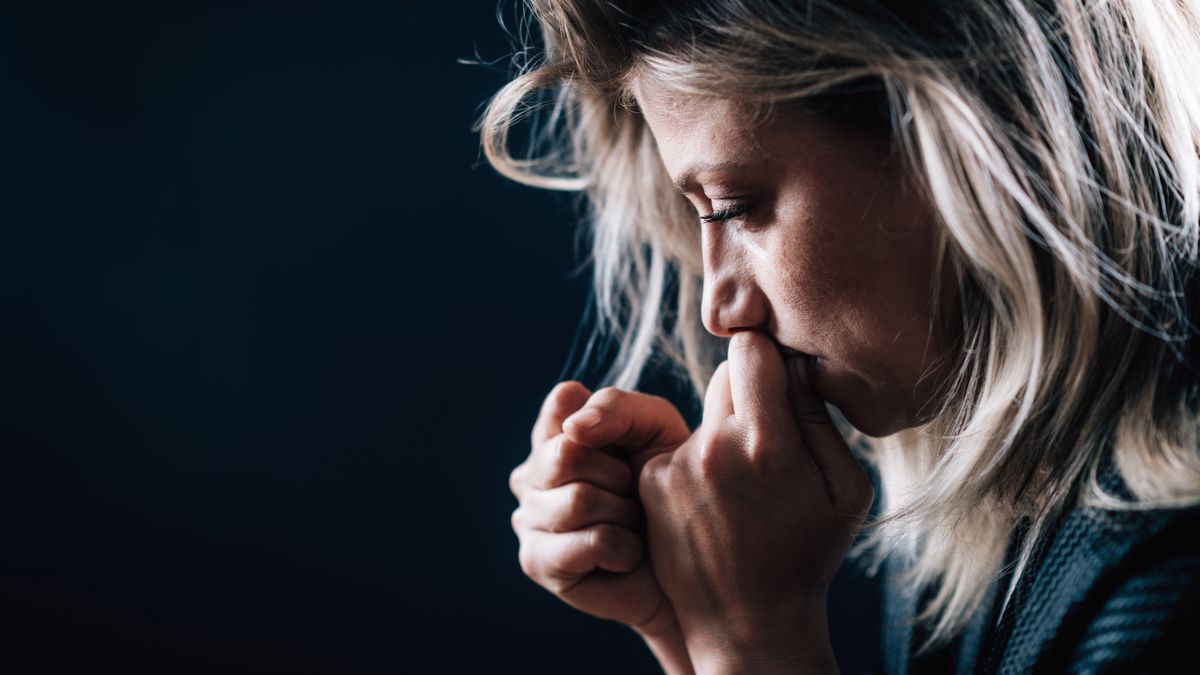
There are moments before big milestone events where we can get anxious and occasionally experiencing anxiety is a normal part of life. However, people with anxiety disorders frequently have intense, excessive, and persistent worry and fear about everyday situations. Anxiety disorders are the most common mental disorder and affect nearly 30% of adults at some point in their lives.
Common signs of anxiety are feeling nervous, restless, or tense, having a sense of danger or panic, having an increased heart rate, breathing rapidly or hyperventilating, sweating, trembling, feeling weak or tired, trouble concentrating, trouble sleeping, and experiencing gastrointestinal problems. Some examples of anxiety disorders include social anxiety disorder, specific phobias, separation anxiety disorder, and generalized anxiety disorder.
People with anxiety disorders often avoid situations that trigger or worsen their symptoms which can affect job performance, school work, and personal relationships. The cause of anxiety disorders is still being studied but it likely stems from a combination of factors such as genetics, environmental, psychological, and developmental. A life event can trigger anxiety disorders in people who are already prone to anxiety, especially traumatic events.

Some cases of anxiety may resolve on their own but for some, it may worsen over time without professional help. See your doctor or mental health provider if you notice your anxiety worsening. Although there is no way to predict for certain what causes someone to develop an anxiety disorder, there are steps you can take to reduce the impact of your anxiety symptoms. You should seek help early on, stay active and participate in activities that make you feel good about yourself, avoid alcohol and drug use since it may worsen anxiety, avoid caffeine since it may worsen symptoms, practice stress management techniques, and join support groups to share experiences and coping strategies.
Anxiety can affect your mental health and your mental health affects how you feel and act towards other people. It can also affect your physical health, so being healthy emotionally can help you live a balanced life, reduce the risk of depression, and improve self-esteem.
Chronic diseases – such as diabetes, cancer, asthma, and heart disease – are leading causes of death and disability. The Liu Foundation offers philanthropic The app and video series promoting evidence-based lifestyle habits to prevent chronic diseases. Harvard, Stanford, and CDC’s Public Health findings into an easy-to-use behavior conditioning app and series of lifestyle motivation videos to prevent chronic diseases.

Living It Up Anywhere
The idea of living your best life can be done anywhere, at any time, and all it really takes is a mindset shift. Take it one core lifestyle habit at a time, whether that is eating healthy and less, daily exercise, quitting bad habits, getting a routine checkup, or being positive. Take a chance today to Live It Up!